Running a wet vac across the floor is only a start. Water wicks into block walls, bottom plates and the back of drywall, and moisture meters show what is still wet. Call the number on this page to be connected with a local mold company in Wheaton.
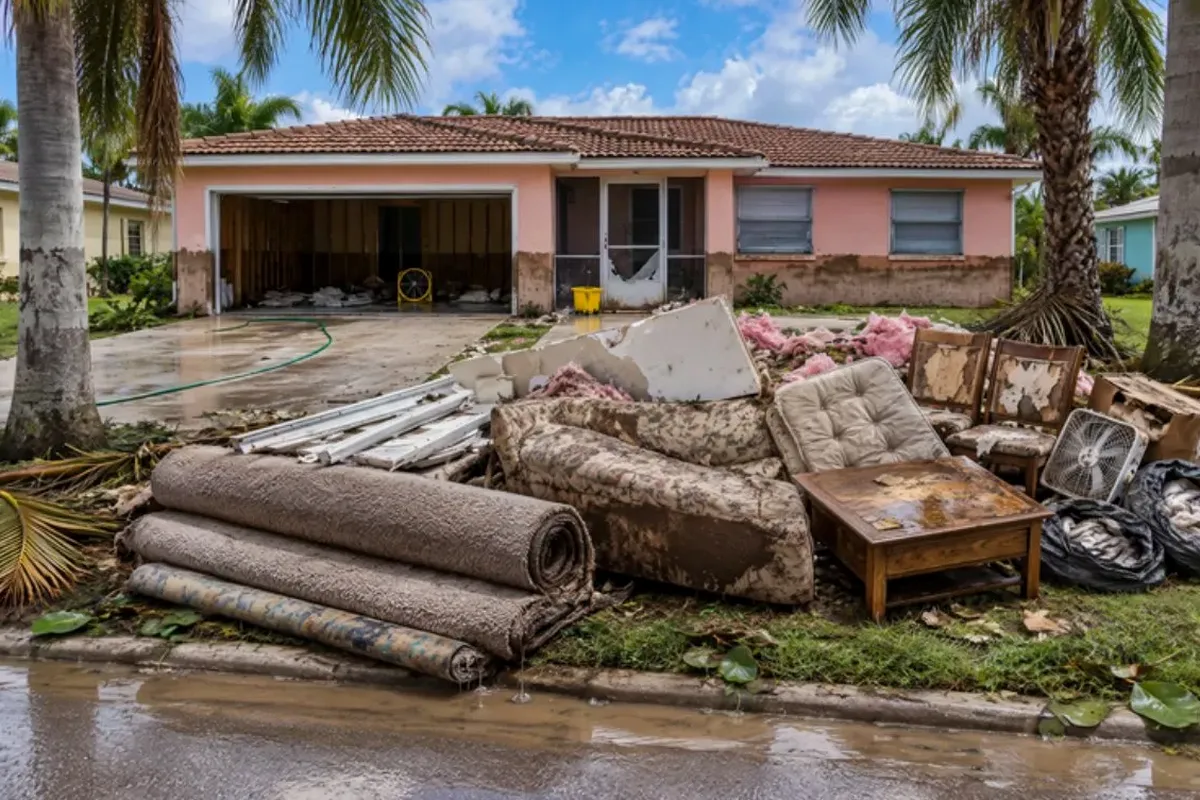
Walking back into a wet house
Confirm the electrical panel and outlets are safe before stepping into standing water, then document everything. Once water is out, open windows if weather permits and begin drying. If anything still feels damp after a day or two, ask about mold. Safety comes before salvage.
Snowmelt over frozen ground
A fast thaw after a heavy snowfall sends water toward the house because frozen soil will not absorb it. Gutters packed with ice and downspouts blocked by snow make it worse. Late winter is when plenty of basements first show seepage and that damp, stale odor.
Much of Wheaton's housing dates to the 1970s, often with brick or block foundations that pass water through joints. Older drains and sump setups also tend to fall behind today's storms.
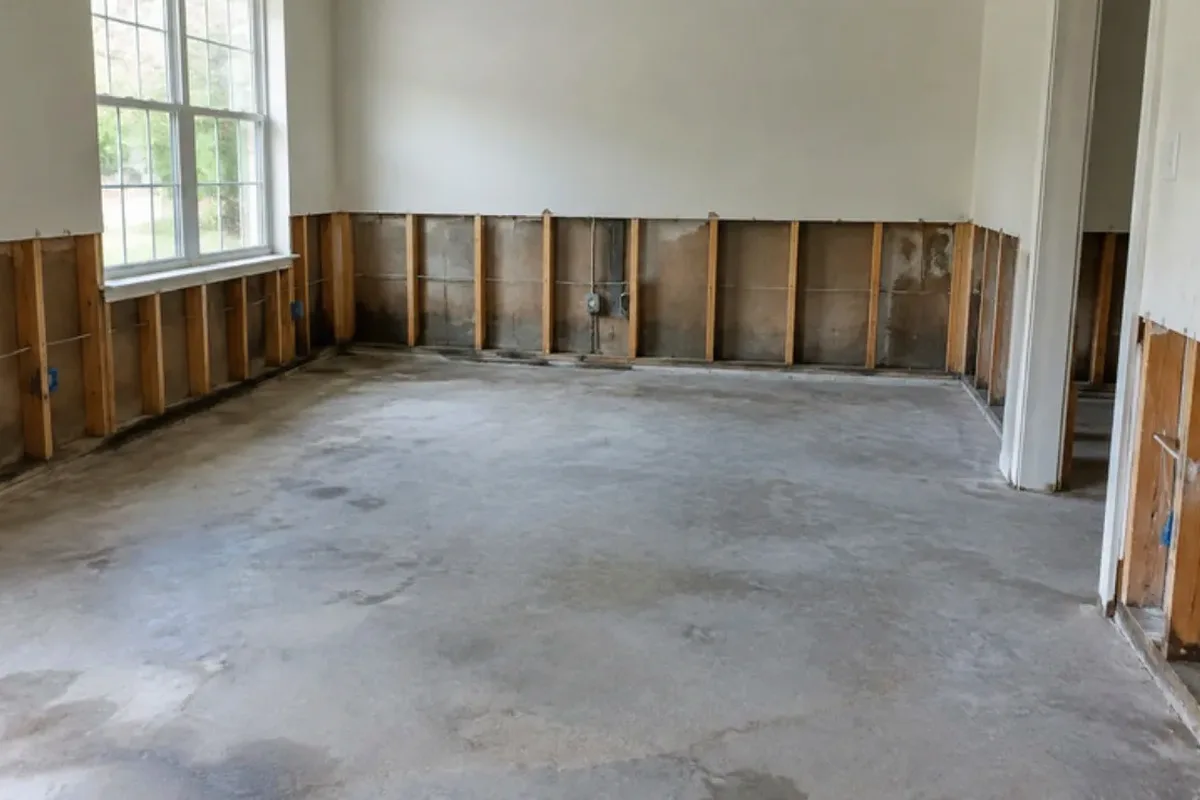
Save it or tear it out
Concrete, framing and many hard surfaces can be dried and cleaned. Carpet, pad, insulation and drywall that stayed wet are usually removed. The more that can be saved, the lower the total, which is why speed matters so much. Ask which items are in each group, and have the company mark them so you can compare against the adjuster's list.
After the cleanup
When the work finishes, an independent assessor can confirm the space is dry and clean. That person has no stake in the repair, so the result offers a neutral view before walls are closed and finished. Ask the company how that step fits its timeline.
Exercise your sump pump
Each season, pour a bucket of water into the pit and watch the float rise and the pump cycle. Clear the discharge line, confirm it empties well away from the foundation and consider a battery backup for outages. Do this before storm season, not during it, and write the date on the pump so you remember the next test.
Before work starts in Wheaton
Illinois' Home Repair and Remodeling Act calls for a written contract or work order on jobs over $1,000, listing the contractor's business name and address and the total cost, with parts and materials described.
Ask whether the company that removes the mold will also test its own work. Many owners prefer an independent assessor for clearance.
Rebuild work after the mold comes out, such as new drywall or framing, may need a permit; the City of Wheaton is where to ask for Wheaton addresses.
If river, creek or storm water got inside, FEMA's flood map service and your insurer can tell you how the address is zoned.
Companies that take calls here usually also work in Glen Ellyn, Winfield and Carol Stream.
Around Wheaton
Calls come in from across Wheaton, including around Downtown Wheaton, Roosevelt Road (Route 38), Butterfield Road (Route 56).
Wheaton participates in the National Flood Insurance Program, and parts of the city sit near DuPage County watercourses such as the West Branch DuPage River and Spring Brook.
Storm & Flood Mold Removal questions in Wheaton
Does homeowners insurance cover flood mold?
My sump pump quit during the storm. What now?
Will mold return after cleanup?
How is flood damage different from a pipe leak?
More mold services in Wheaton
Storm & Flood Mold Removal nearby
Helpful guides
Sources
- City of Wheaton Building Department
- Illinois Department of Public Health: mold remediation registration
- Illinois Department of Public Health: mold FAQs
- Illinois General Assembly: Home Repair and Remodeling Act
- EPA: A Brief Guide to Mold, Moisture and Your Home
- Wheaton housing by year built
- Wheaton: local background
Last updated: