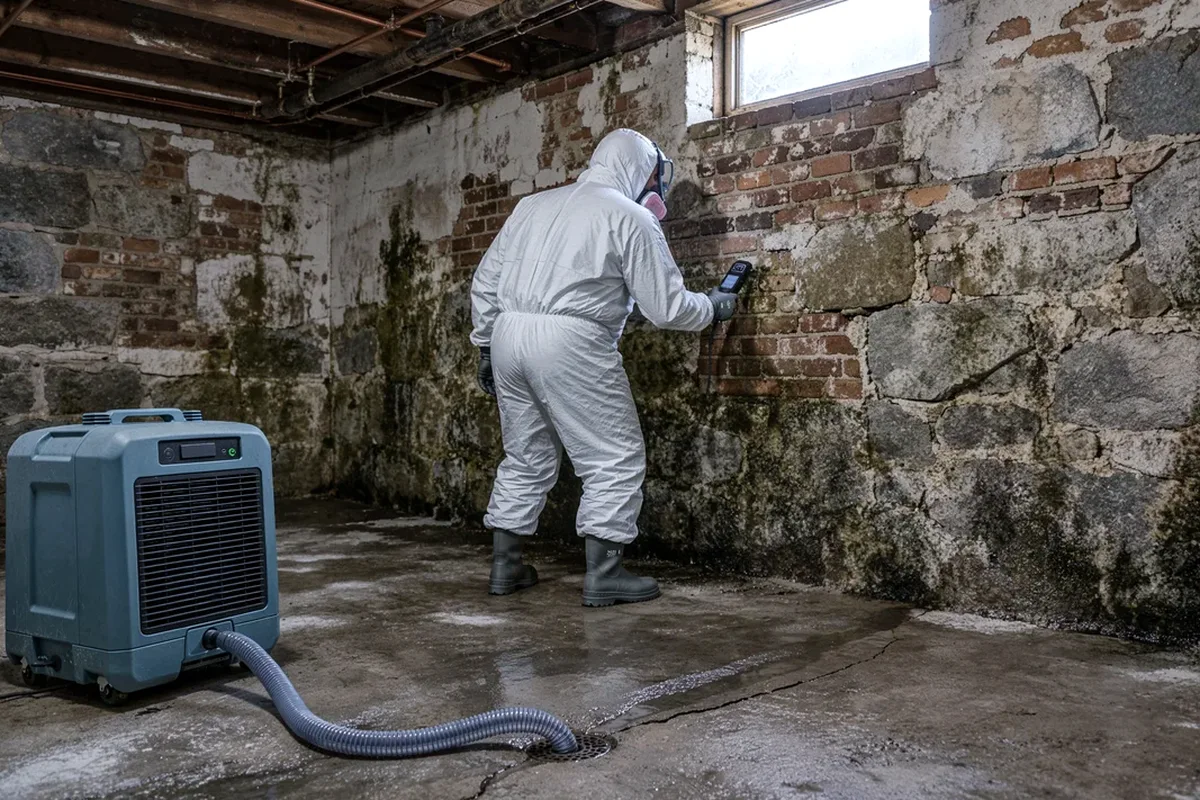
Paneling and carpet can hide trouble for months; the visible face looks fine while the back side darkens. That is why a company probes with a meter before choosing where to cut. Call the number on this page to be connected with a local mold company in Wheaton.
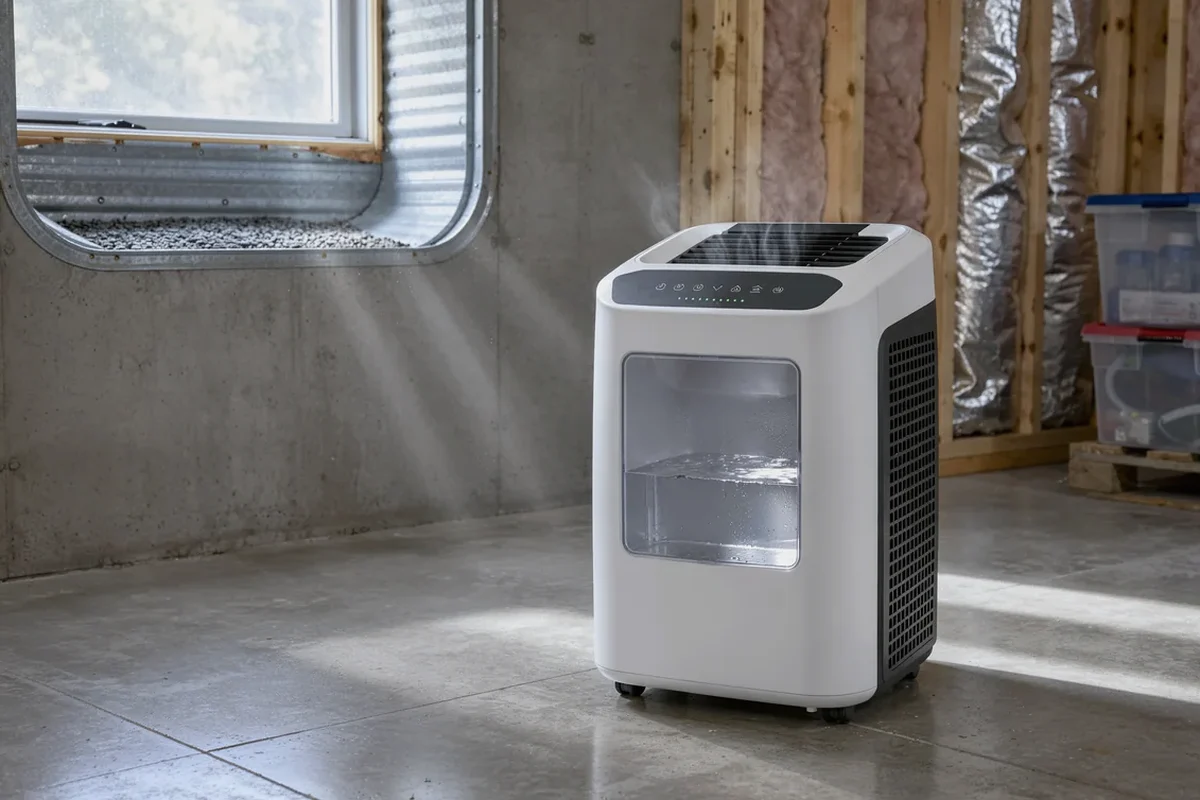
Window Wells After a Downpour
Right after a heavy rain, peer into each window well with a flashlight. Standing water, packed leaves or a cracked cover mean trouble. If the wall beneath that window is stained, or the carpet in that corner feels damp, you have found a likely entry point.
Combined Sewers and Heavy Rain
Many older communities still have combined sewers that surge during summer cloudbursts, sending wastewater up through floor drains. Porous materials that wastewater touches are typically thrown away, not dried, and mold sets in fast if cleanup slips past the first couple of days. Floor drains are the usual path.
Because so many Wheaton homes were built in the 1970s, crews frequently meet old seepage stains on lower walls and finishes that were added without ever fixing how water enters.
Rebuilding Is Another Project
Plenty of quotes end with a clean, dry cavity. Fresh drywall, paint, flooring, trim and cabinetry follow as their own scope. Ask who will do that, whether a permit is needed, and request the division in writing so you see the whole outlay up front. Keep a copy.
Before the Crew Arrives
Open a path to the stairs, relocate valuables, and find your water shutoff and electrical panel. Photos of stains, notes about recent storms and any pump repairs speed the visit and give the company better information for its scope of work. Anything you can photograph beforehand helps.
A Routine for Every Season
- Scoop leaves from window wells each autumn
- Pour a bucket into the pit to test the pump
- Extend downspouts away from the foundation
- Inspect washer hoses and the water heater
- Run a dehumidifier when it turns muggy
Ten minutes on each can prevent weeks of cleanup.
Permits and license checks in Wheaton
Illinois' Home Repair and Remodeling Act calls for a written contract or work order on jobs over $1,000, listing the contractor's business name and address and the total cost, with parts and materials described.
Keep the inspection report, the scope of work and any clearance results together; buyers, landlords and insurers often ask for them later.
Remediation itself is cleanup, but putting the room back together can be permitted work; ask the contractor whether the City of Wheaton needs to be involved.
Water that came in from outside raises insurance questions; FEMA's flood map search shows whether the property sits in a mapped flood zone.
Calls from Wheaton are often matched with companies that also cover Glen Ellyn, Winfield and Carol Stream.
Wheaton at a glance
Calls come in from across Wheaton, including around Downtown Wheaton, Roosevelt Road (Route 38), Butterfield Road (Route 56).
Wheaton participates in the National Flood Insurance Program, and parts of the city sit near DuPage County watercourses such as the West Branch DuPage River and Spring Brook.
Basement Mold Removal questions in Wheaton
How long will basement work take in Wheaton?
Is a permit needed to rebuild a finished basement?
How do I pick a company?
Do older houses grow more basement mold?
More mold services in Wheaton
Basement Mold Removal nearby
Helpful guides
Sources
- City of Wheaton Building Department
- Illinois Department of Public Health: mold remediation registration
- Illinois Department of Public Health: mold FAQs
- Illinois General Assembly: Home Repair and Remodeling Act
- EPA: A Brief Guide to Mold, Moisture and Your Home
- Wheaton housing by year built
- Wheaton: local background
Last updated: