A mold inspection is a walk-through that looks for visible mold, moisture sources and damage, often with a moisture meter or camera. It tells you where the problem is and how big it might be. Call the number on this page to be connected with a local mold company in Chicago.
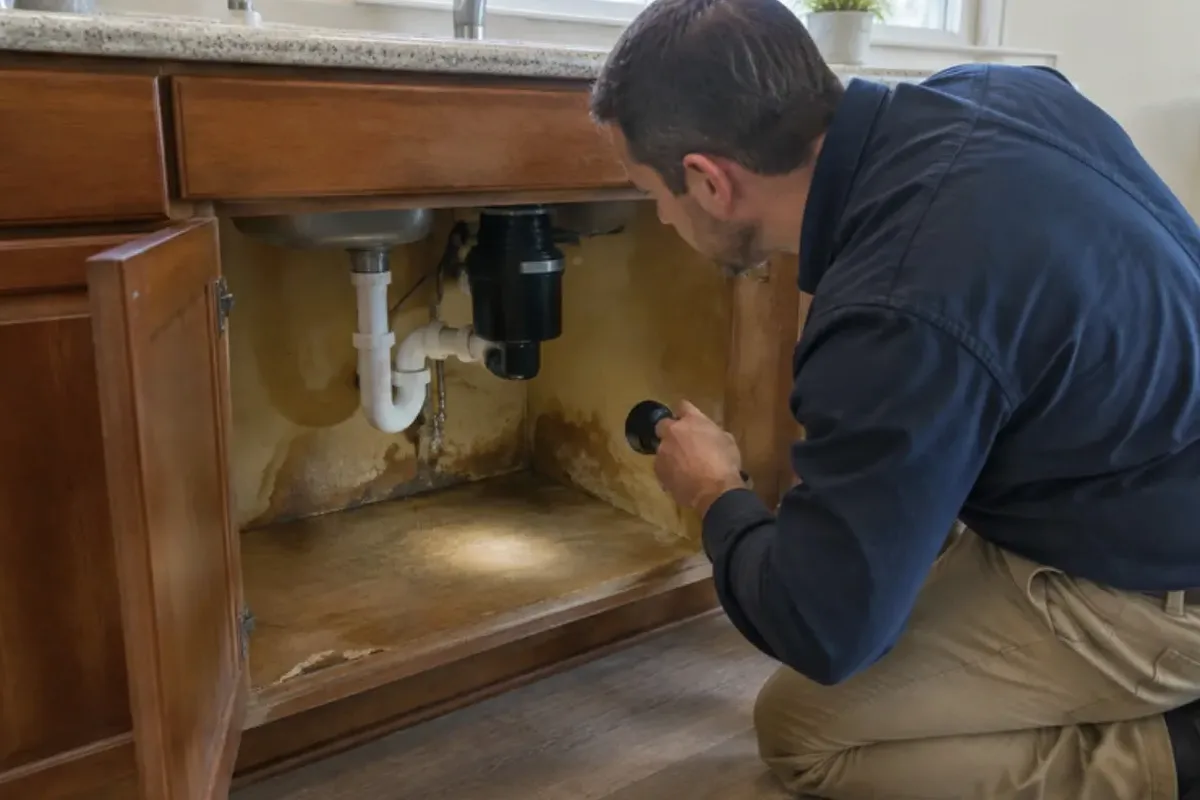
What a mold inspection is
An inspector looks at ceilings, walls, basements, attics and mechanical spaces for staining, growth, odors and the conditions behind them. Tools such as a moisture meter or thermal camera help find damp material you cannot see. The result is usually a written report of what was found and where moisture is coming from. Sampling is a different step, covered on our Chicago mold testing page.
When to schedule one in Chicago
Common triggers are a musty smell with nothing visible, stains after a roof or plumbing leak, a basement that stays damp after a storm, or paperwork before buying an older two-flat or bungalow. IDPH and EPA both say that when mold is visible or smelled, testing is usually unnecessary, so an inspection is most useful when the source is unclear or the affected area is large.
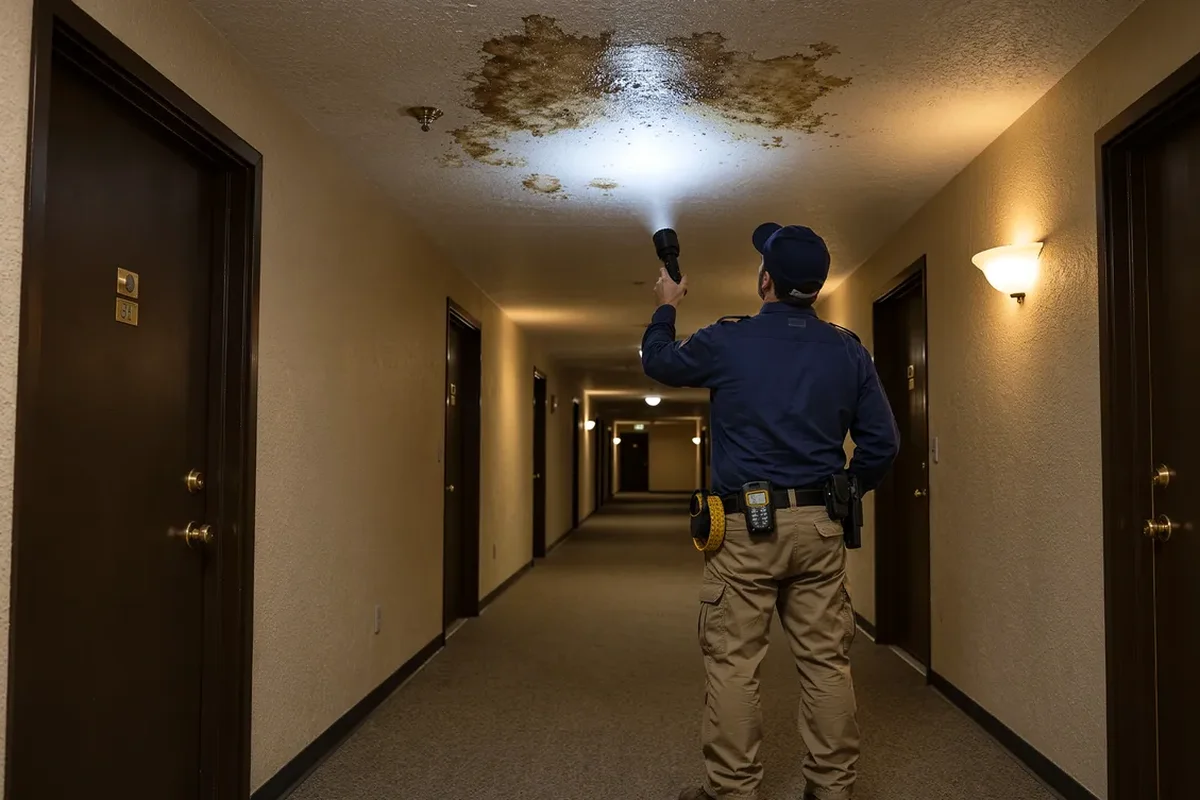
What it costs
National figures from HomeGuide put a mold inspection for an average home at about $300 to $650, with an overall range of about $200 to $1,000. That is a national guide, not a Chicago quote, and a large greystone or multi-unit building can sit above it.
Illinois checks
- IDPH does not license individuals to perform mold assessments or testing, and it cannot recommend specific contractors. Ask about training and what the report will cover.
- Professionals who only provide mold assessment do not need to register with IDPH. Companies that also remediate must register under the Mold Remediation Registration Act.
- Be cautious when the same company inspects and then quotes the cleanup. A second opinion on scope is reasonable.
- For any work over $1,000, the Home Repair and Remodeling Act calls for a written contract stating the total cost and the contractor's business name and address.
Chicago housing notes
Older Chicago buildings often hide moisture behind plaster, in crawl spaces and under basement stairs, and floor-drain backups can leave wet drywall behind finished basement walls. Tell the inspector about past backups, roof or window leaks, and any recent plumbing repairs.
The Chicago Department of Buildings handles building violations through CHI 311, which matters mainly for rentals and shared buildings.
Mold Inspection questions from Chicago homeowners
What is the difference between a mold inspection and mold testing?
Will an inspection say whether my air is safe?
Does Illinois license mold inspectors?
Is an inspection needed if I can see mold?
Related mold services in Chicago
Helpful guides
Mold Inspection in nearby cities and towns
Cook County
DuPage County
Lake County
Will County
Sources
Last updated: