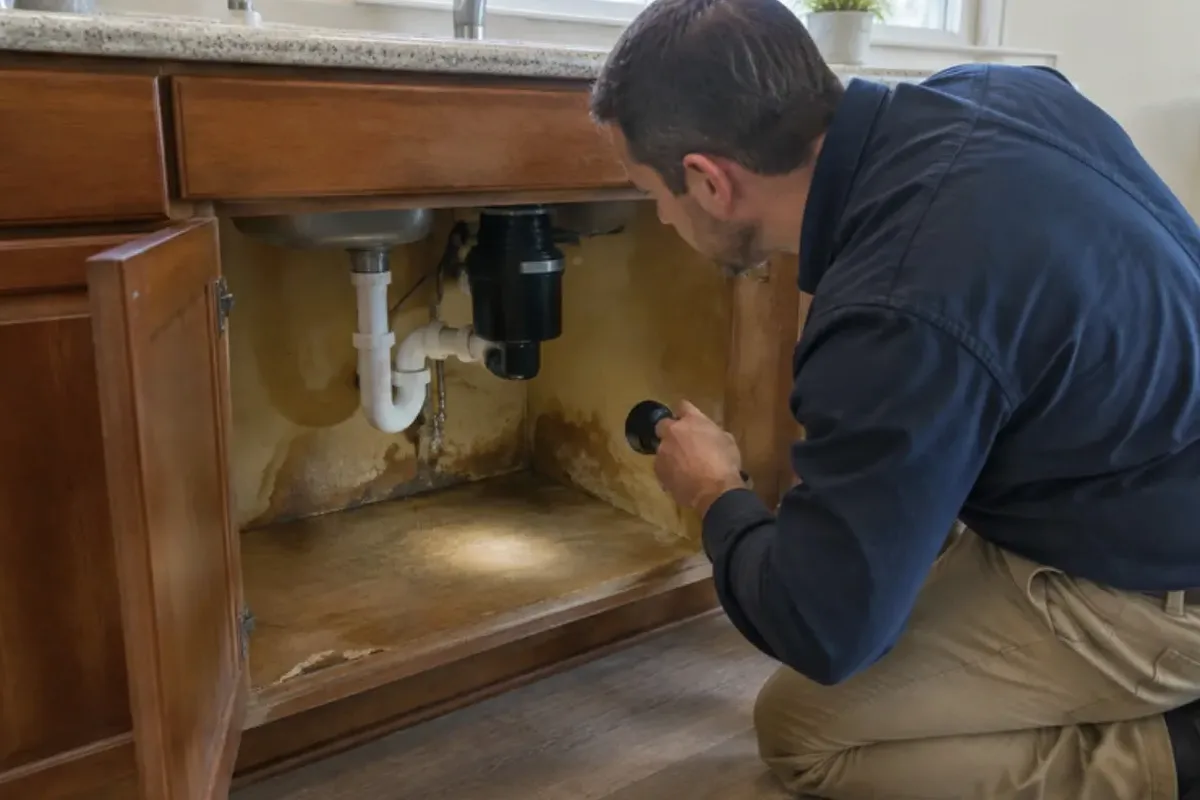
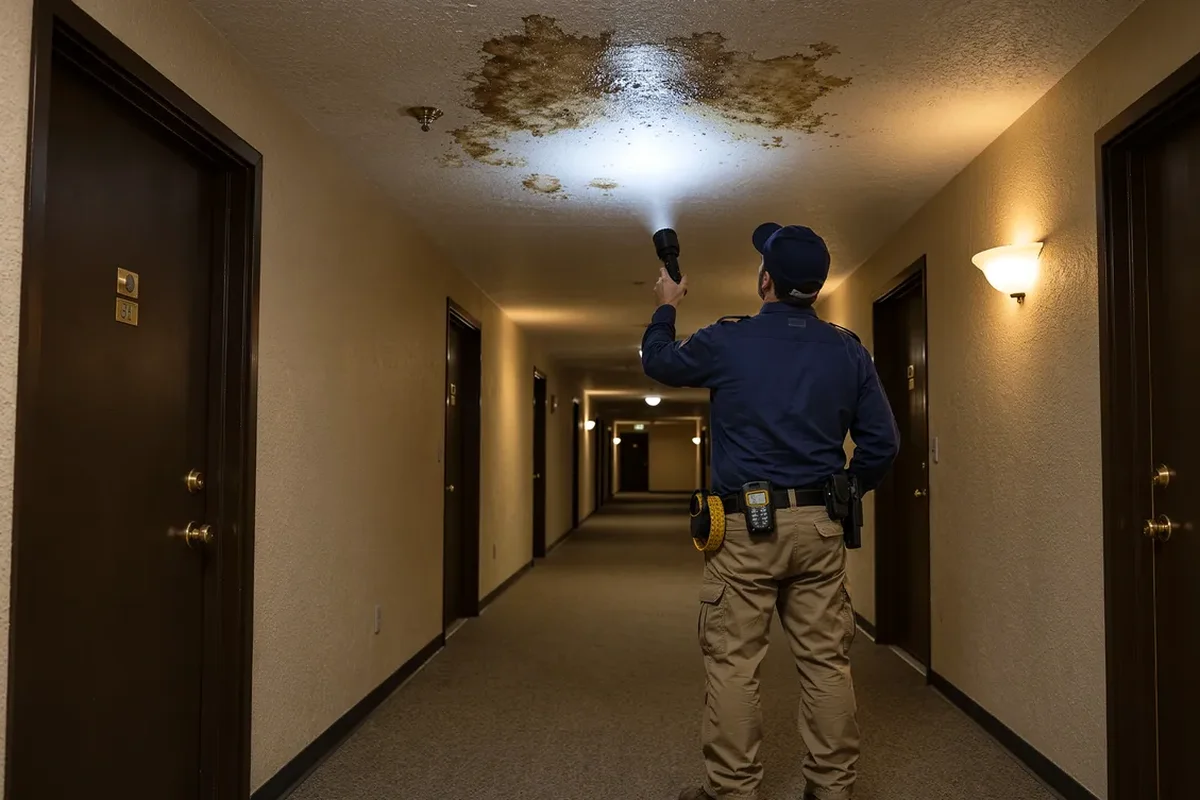
An inspection means an assessor walks the property, searches for visible growth, tests building materials with moisture instruments and notes what turned up and the reason. Most of it is looking and measuring. Call the number on this page to be connected with a local mold company in Arlington Heights.
What tends to prompt a visit
- Odor that rises on humid days
- Discoloration around vents, sills or pipe chases
- Cupped flooring or puffy baseboards
- Persistent fog on window glass
- An appliance or pipe that leaked recently
Take dated pictures first so the assessor sees how things changed over weeks, not just on the day of the visit.
Newer subdivisions
Recent houses are sealed tightly, so moisture from showers, cooking and cooling equipment has fewer ways out. Inspections there examine ventilation, window flashing and where the air handler drains. Ask where each exhaust fan in the house actually terminates, because ducts that end short of an outside wall are a common find.
Much of Arlington Heights's housing dates to the 1970s, so original plumbing, windows and roofing are frequent culprits, and assessors often start with the oldest parts of the building.
Who handles what in Arlington Heights
On Illinois jobs over $1,000, the contractor should have you sign a Consumer Rights Acknowledgment Form when it hands over the state's home repair consumer-rights pamphlet.
Keep the inspection report, the scope of work and any clearance results together; buyers, landlords and insurers often ask for them later.
Check with the Village of Arlington Heights before walls, cabinets or flooring go back in if the work goes beyond cleanup.
For flood zone questions after a heavy rain, FEMA's flood maps and your insurance agent can confirm the mapped zone for an address.
Nearby, the same kind of help is available in Rolling Meadows, Mount Prospect and Prospect Heights.
The written findings
Confirm that a report comes with the visit and that the assessor will answer follow-up questions. Good ones record every reading, name each affected area and rank the repairs. Much of what you pay for sits in those pages, so ask a company to describe theirs.
Order of a normal visit
- Conversation about leaks and odors
- Look around outside and in
- Moisture and thermal scans
- Basement, attic and crawl space
- Verbal summary before leaving
The written report arrives afterward. Ask for the timing and the format, and whether photos and readings are attached to it.
After a flood or storm
Stop the source, remove standing water and start drying right away. If porous materials stayed wet for more than two days, schedule an inspection soon, because growth is easier to catch early than after it spreads through walls. Test downspouts with a hose to see where water goes.
Around Arlington Heights
Calls come in from across Arlington Heights, including around Arlington Heights Road, Northwest Highway (U.S. Route 14), Rand Road.
Lake Arlington is a human-made detention lake, part of how the village manages stormwater.
Mold Inspection questions in Arlington Heights
What should I do before the visit?
Does homeowners insurance cover inspections?
Who pays for this call?
Where do I get building questions answered in Arlington Heights?
More mold services in Arlington Heights
Mold Inspection nearby
Helpful guides
Sources
- Village of Arlington Heights Building & Life Safety Department
- Illinois Department of Public Health: mold remediation registration
- Illinois Department of Public Health: mold FAQs
- Illinois General Assembly: Home Repair and Remodeling Act
- EPA: A Brief Guide to Mold, Moisture and Your Home
- Arlington Heights housing by year built
- Arlington Heights: local background
Last updated: