EPA says a homeowner can usually handle an area under about 10 square feet. After a flood the affected area is often far larger and reaches inside walls and under flooring. Call the number on this page to be connected with a local mold company in Arlington Heights.
Where DIY ends
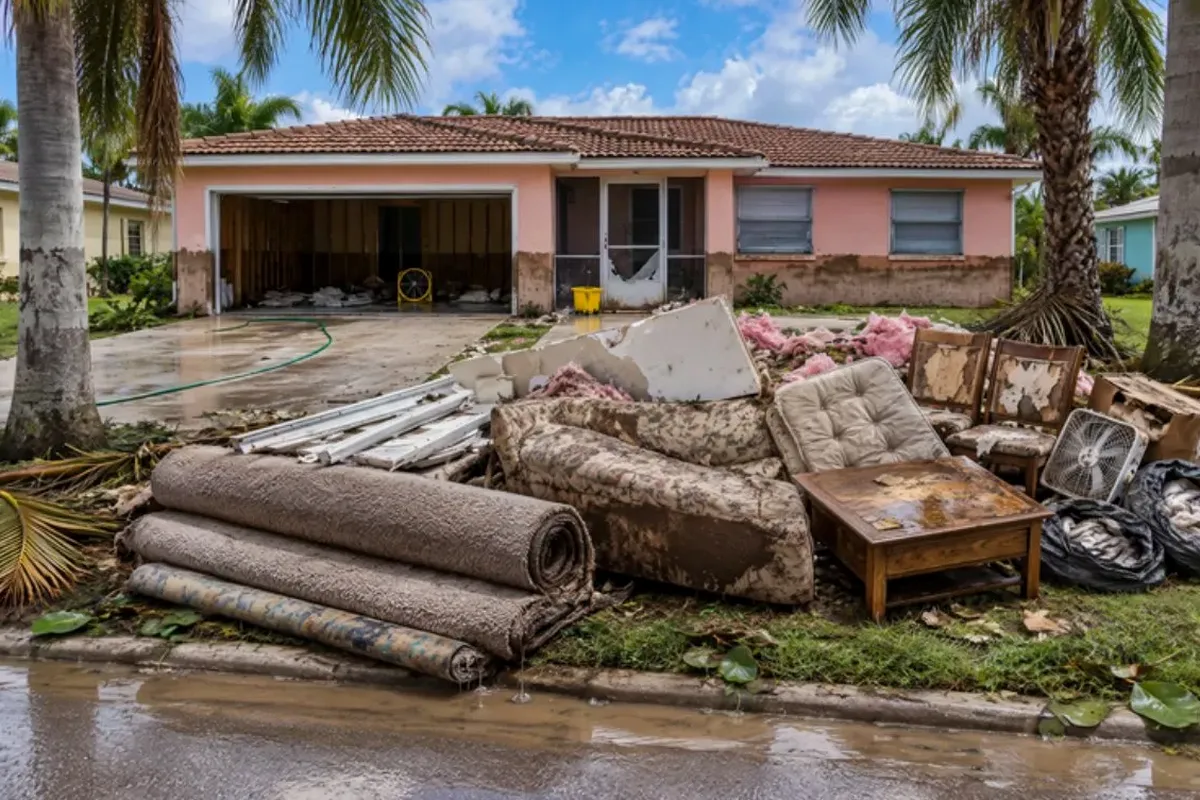
EPA indicates a homeowner can usually take on an area under about 10 square feet. When the water reached wall cavities, covered most of a room or rose through a sewer line, the scope is larger and the soaked materials generally need removal by a professional.
Rain that lasts for days
Slow, steady spring and summer systems fill the soil until it cannot absorb more. Basements that stay dry through ordinary storms start seeping through the floor slab and wall joints, and the dampness lingers because the ground keeps feeding it. Duration matters as much as intensity.
Much of Arlington Heights's housing dates to the 1970s, often with brick or block foundations that pass water through joints. Older drains and sump setups also tend to fall behind today's storms.
Useful local contacts for Arlington Heights
To register with the Illinois Department of Public Health, a mold remediation provider has to show third-party certification and financial responsibility. A business that only inspects or tests for mold doesn't need that registration.
Ask whether the company that removes the mold will also test its own work. Many owners prefer an independent assessor for clearance.
Remediation itself is cleanup, but putting the room back together can be permitted work; ask the contractor whether the Village of Arlington Heights needs to be involved.
For flood zone questions after a heavy rain, FEMA's flood maps and your insurance agent can confirm the mapped zone for an address.
Calls from Arlington Heights are often matched with companies that also cover Rolling Meadows, Mount Prospect and Prospect Heights.
Depth and time raise the work
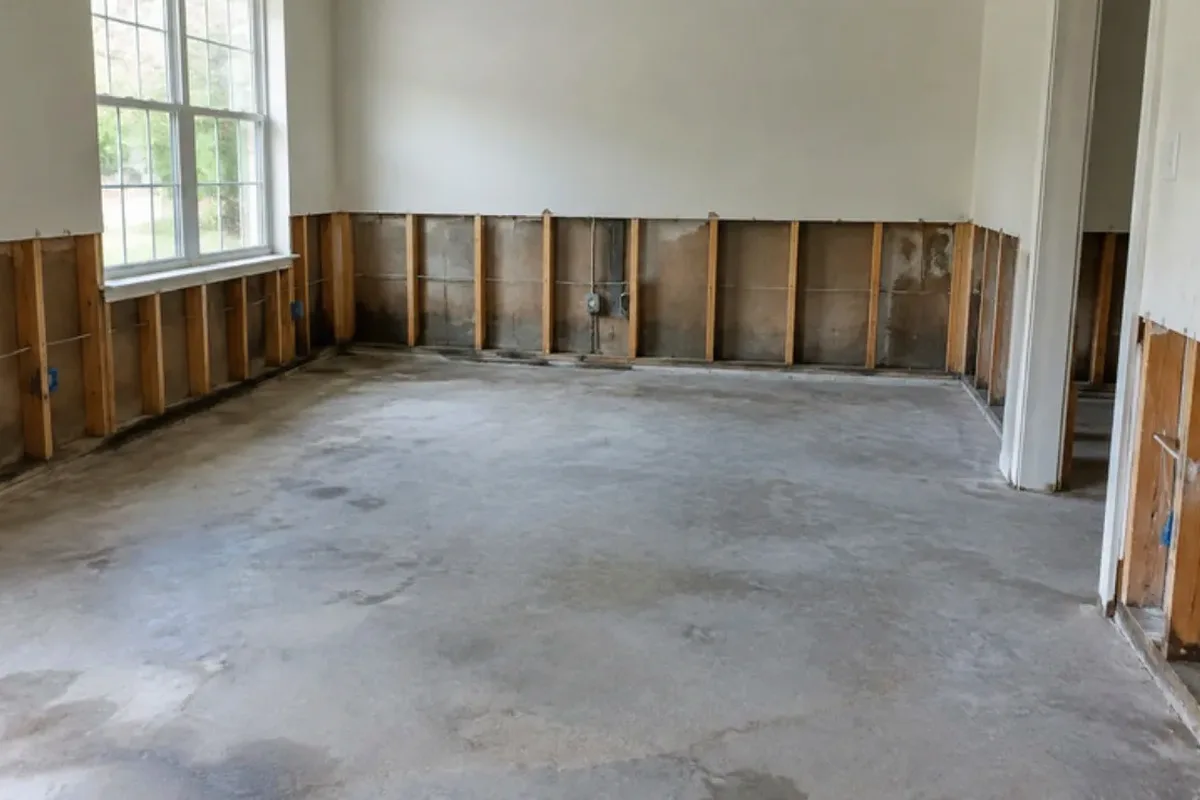
A couple of inches that drained within hours leave a shallow wet zone. A foot that sat overnight wets drywall far up the wall and soaks insulation. Longer exposure fails more materials, so every day of delay can add items to the list.
After the cleanup
When the work finishes, an independent assessor can confirm the space is dry and clean. That person has no stake in the repair, so the result offers a neutral view before walls are closed and finished. Ask the company how that step fits its timeline.
Before the next big storm
- Clear gutters and extend downspouts
- Cover and drain window wells
- Raise stored boxes onto shelves
- Test the sump pump
- Locate the electrical shutoff
Each habit takes minutes, and together they spare a basement a lot of harm. Keep a copy of the list near the basement stairs.
Around Arlington Heights
Calls come in from across Arlington Heights, including around Arlington Heights Road, Northwest Highway (U.S. Route 14), Rand Road.
Lake Arlington is a human-made detention lake, part of how the village manages stormwater.
Storm & Flood Mold Removal questions in Arlington Heights
Is sewer backup water handled differently?
Is bleach good for flood mold?
Should the air be tested after a flood?
How soon should I call after the water is gone?
More mold services in Arlington Heights
Storm & Flood Mold Removal nearby
Helpful guides
Sources
- Village of Arlington Heights Building & Life Safety Department
- Illinois Department of Public Health: mold remediation registration
- Illinois Department of Public Health: mold FAQs
- Illinois General Assembly: Home Repair and Remodeling Act
- EPA: A Brief Guide to Mold, Moisture and Your Home
- Arlington Heights housing by year built
- Arlington Heights: local background
Last updated: