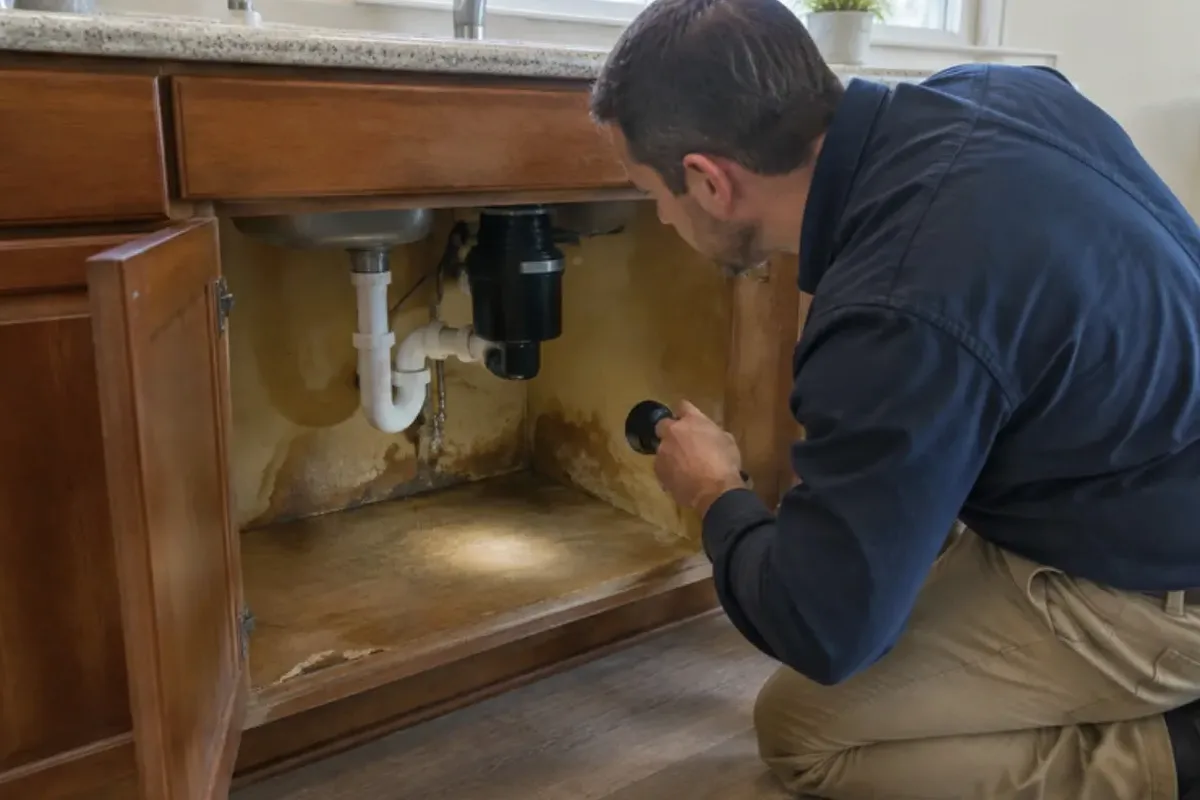
The tools are an assessor's eyes, a moisture meter and often a thermal camera or borescope for peering into walls and ceilings. What you get back is a written report that a removal company, buyer or insurer can follow. Call the number on this page to be connected with a local mold company in Glendale Heights.
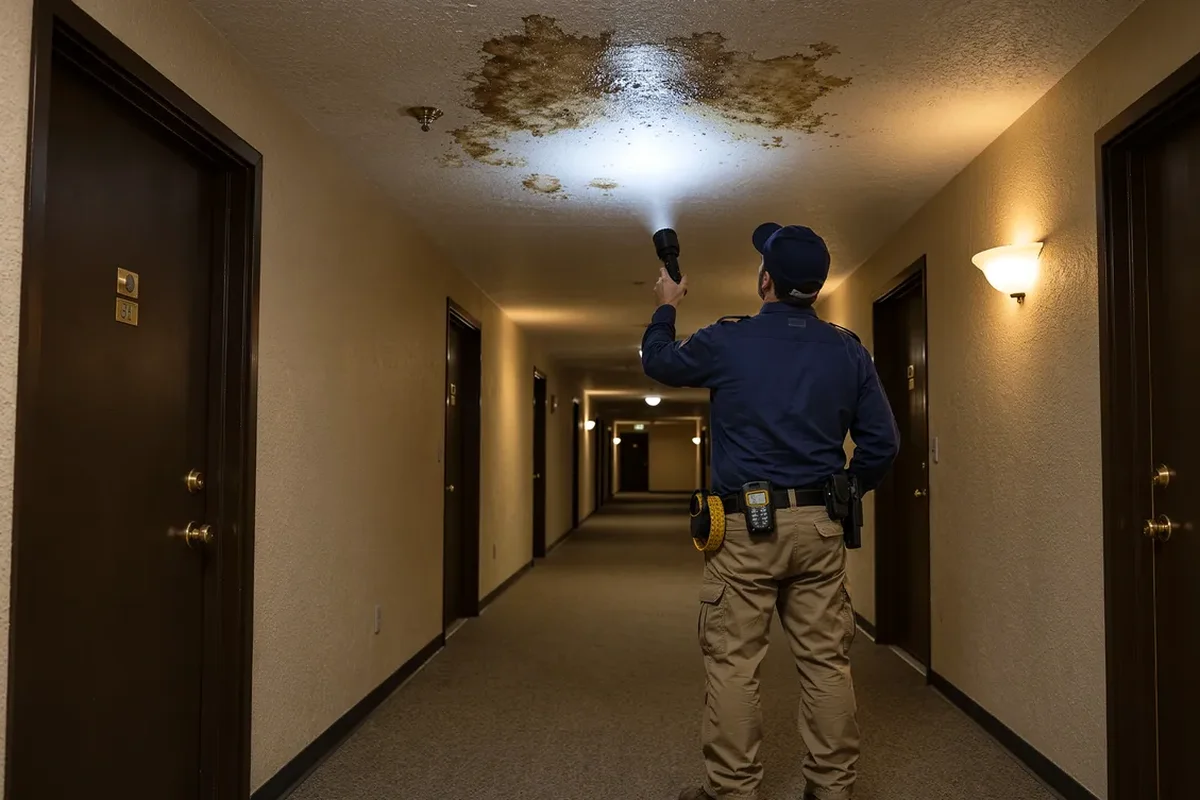
Buying, selling or signing a lease
A freshly painted ceiling, a dehumidifier running in a finished lower level or evasive answers about past leaks are worth a second look. Moisture readings and photographs give you facts to bring to the table. Mention any renovation history, since new finishes can cover old trouble.
Winter trouble
When the furnace runs, warm indoor air condenses on cold windows, exterior walls and attic roof sheathing. Frost in the attic or dark rafters usually means moisture is escaping upward. Cameras and meters show where it collects, and cold snaps make it easy to see.
Who handles what in Glendale Heights
IDPH advises that mold growth larger than about 10 square feet be cleaned up by a professional remediator. Remediation providers in Illinois register with IDPH, so that registration is the first thing to confirm.
Keep the inspection report, the scope of work and any clearance results together; buyers, landlords and insurers often ask for them later.
Check with the Village of Glendale Heights before walls, cabinets or flooring go back in if the work goes beyond cleanup.
For flood zone questions after a heavy rain, FEMA's flood maps and your insurance agent can confirm the mapped zone for an address.
Calls from Glendale Heights are often matched with companies that also cover Carol Stream, Bloomingdale and Medinah.
Time and scheduling
Smaller homes mean a short visit, while large houses, multi-unit buildings and commercial space take longer. Independent local companies usually ask a few questions about the property by phone, which helps them estimate time on site. Older, bigger buildings simply need more of it.
How to prepare
Make attic hatches, crawl-space doors and basement corners reachable. Jot down where leaks, stains and smells appeared and when. Gather old repair receipts and any earlier inspection papers. Run the heat or air conditioning as you normally would. Notes about when odors occur are worth more than you might think.
Aim for these humidity levels
EPA suggests holding indoor humidity under about 60 percent, with 30 to 50 as the ideal. A small hygrometer tells you where a bedroom or basement stands. Dehumidify where numbers stay high, and use fans during showers and cooking. Logging readings shows seasonal patterns.
Mold Inspection questions in Glendale Heights
What tools do assessors use?
Should the assessor also do the removal?
Will the report say my home is safe?
Who pays for this call?
More mold services in Glendale Heights
Mold Inspection nearby
Helpful guides
Sources
Last updated: