Nobody has set a health-based pass or fail number for mold in a home, so assessors weigh one room against another and indoors against outdoors, then link the figures to what they observed. If you have health concerns, talk with your doctor. Call the number on this page to be connected with a local mold company in Wilmette.
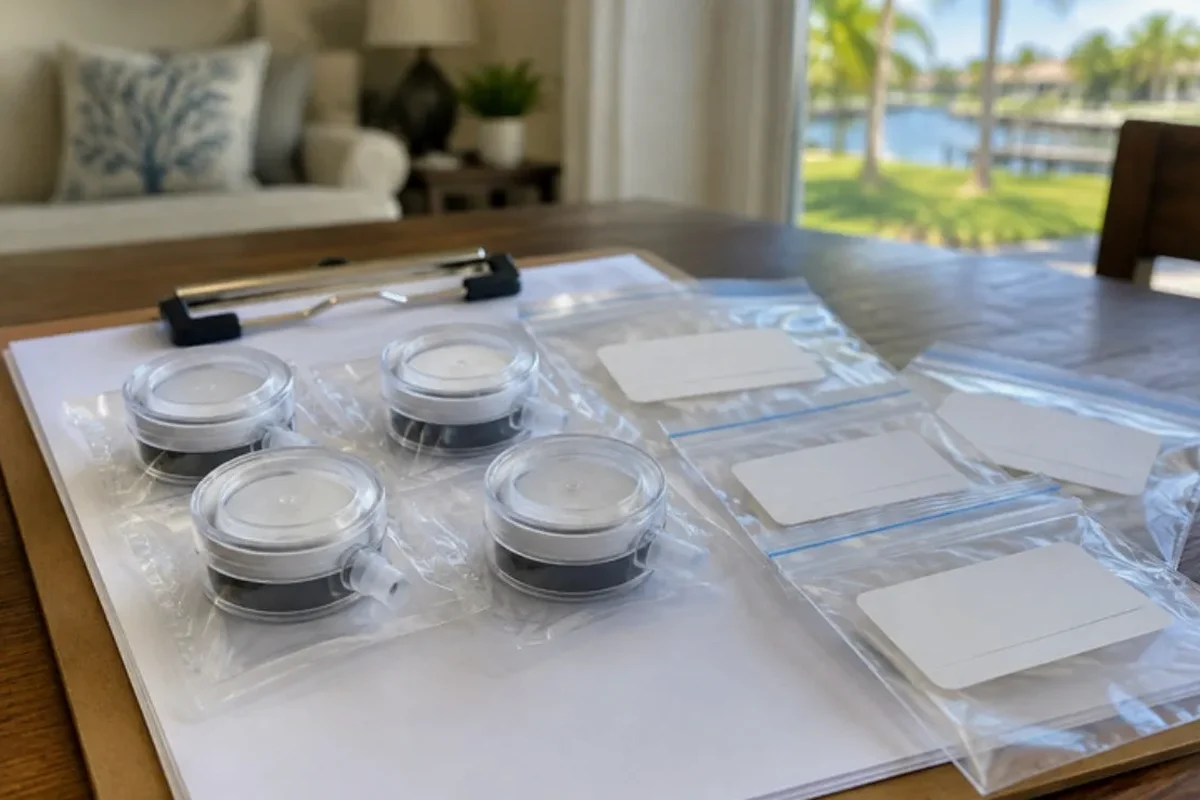
Which path fits your case?
Visible mold: stop moisture, then clean or remove. Odor without a source: sample and survey. Cleanup finished: confirmation sampling. Buying or renting: a baseline for that date. Unsure where you fall? Describe the house to a local company and the answer usually becomes clear within minutes.
Seasons skew the numbers
Muggy stretches push basement humidity and outdoor spore counts upward, while the heating season dries indoor air and sends condensation onto cold glass. Mention recent weather and whether the furnace or central air has been running so the figures can be read in context.
Properties near a river, creek or the lake sit on low ground with a higher water table, so assessors take an outdoor reading that day, since baseline humidity and spore levels differ here.
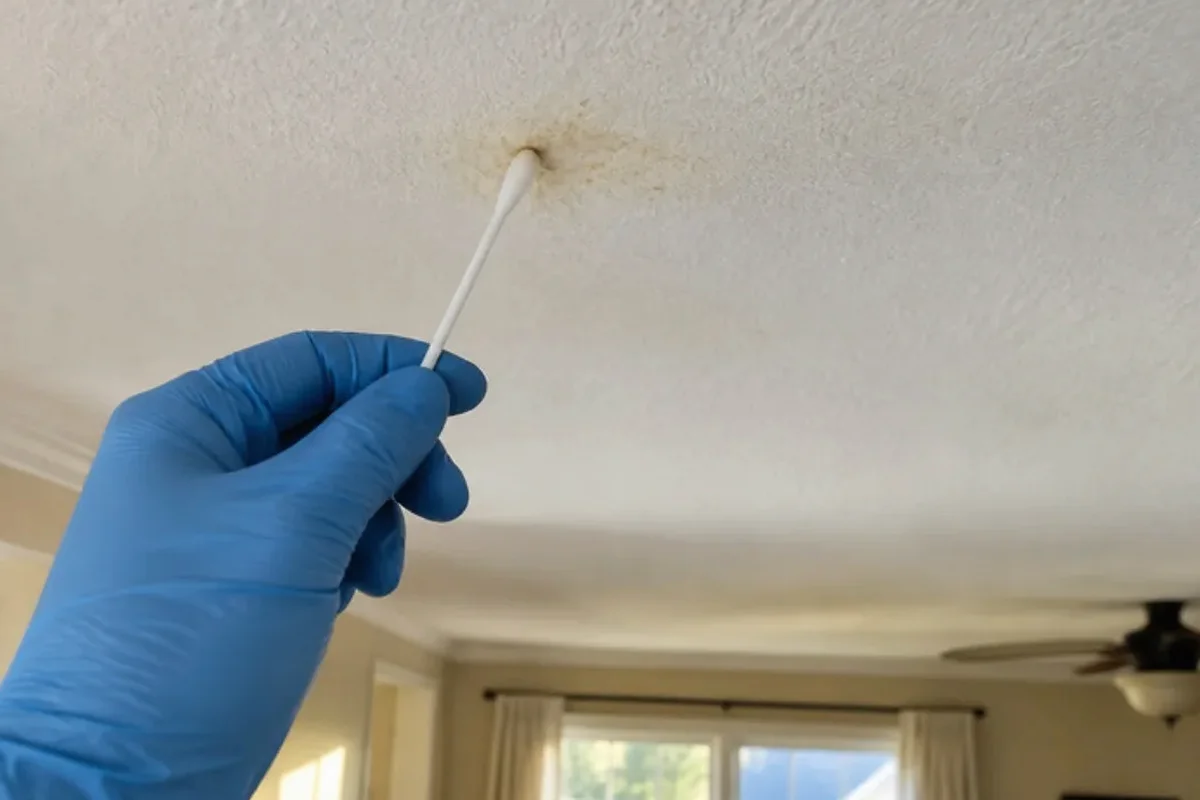
Testing and cleanup are separate purchases
Many owners hire one business to assess and another to clean, so the person reading the data gains nothing from the removal job. That means two scopes and two invoices. Planning for both from the start keeps the overall cost from catching you off guard.
Stay for the walkthrough
If you can, be home for the walkthrough. Pointing out the room that smells, the leak history and the spot where a stain once appeared gives the assessor leads no instrument can supply. It also lets you ask why each location was picked. Jot notes to compare with later visits.
Move on the water quickly
Deal with the moisture problem soon after sampling, because conditions keep changing. EPA advises drying wet materials within 24 to 48 hours and holding indoor humidity below about 60 percent, ideally 30 to 50. Retesting is seldom needed once the cause is gone.
Who handles what in Wilmette
To register with the Illinois Department of Public Health, a mold remediation provider has to show third-party certification and financial responsibility. A business that only inspects or tests for mold doesn't need that registration.
Some owners hire one independent company for the inspection and clearance check and a different company for the cleanup, so the business judging the result isn't the one that did the work.
Remediation itself is cleanup, but putting the room back together can be permitted work; ask the contractor whether the Village of Wilmette needs to be involved.
For flood zone questions after a heavy rain, FEMA's flood maps and your insurance agent can confirm the mapped zone for an address.
Calls from Wilmette are often matched with companies that also cover Evanston, Kenilworth and Winnetka.
Mold Testing questions in Wilmette
Are hardware-store test kits worth it?
Does Illinois regulate mold sampling?
Can the tester also do the removal?
Does a buyer or seller have to order a test?
More mold services in Wilmette
Mold Testing nearby
Helpful guides
Sources
Last updated: