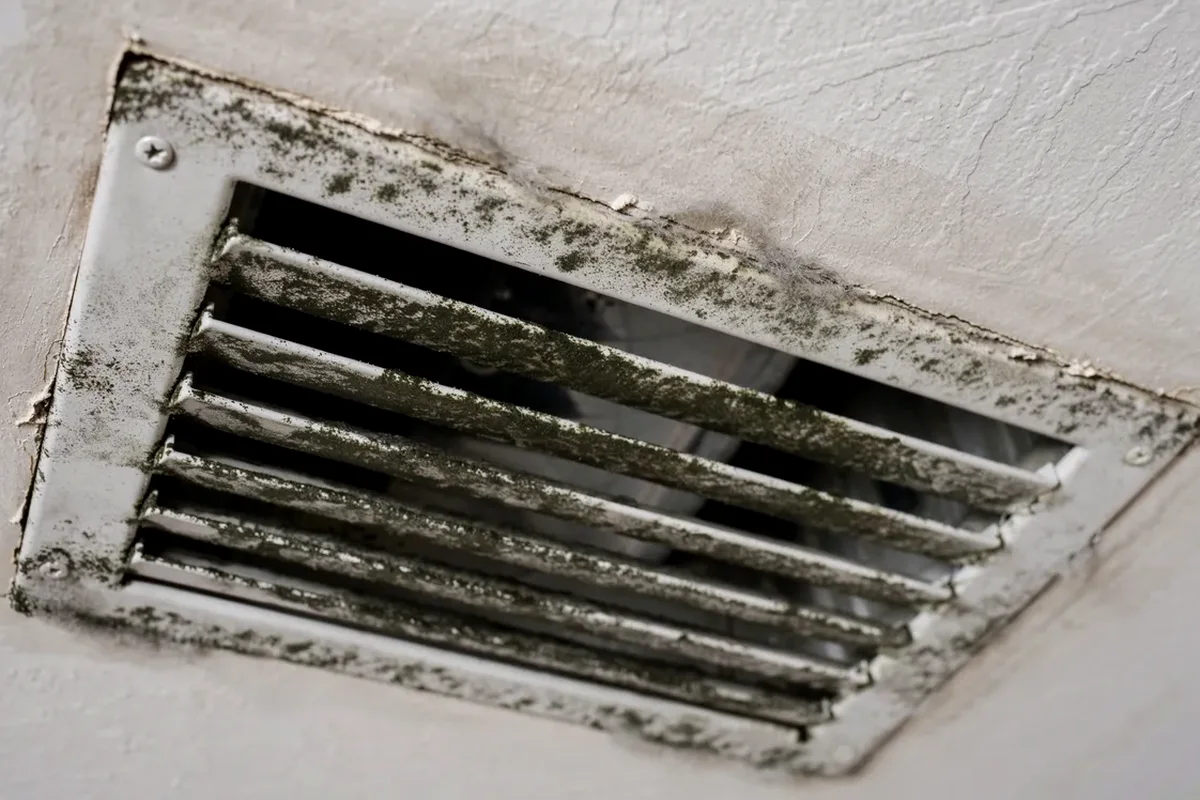
Nearly every case traces back to a wet spot: a coil pan that will not empty, a plugged condensate line, a humidifier that leaks, or an uninsulated duct that sweats. Cleaning holds up only if that spot is repaired as well. Call the number on this page to be connected with a local mold company in Wilmette.
When just one room smells
If a lone bedroom or the finished basement stands out, suspect its branch duct, a loose boot or a leaking seam. A smell spread through the whole house leans toward the cabinet, coil or main trunk. Telling the company where it is strongest saves search time on site.
After heavy rain reaches the lower level
When a river overflows or a downpour sends sewer water into the basement, a furnace or air handler sitting on the floor absorbs it at the base of the cabinet and in the lowest duct runs. Equipment that stays wet beyond a day or two often grows mold, so inspect it once the water is gone.
Low ground near Wilmette can flood in heavy weather, and equipment on a basement floor takes the first hit, so checking the duct and cabinet after high water is worthwhile.
Equipment age tilts the decision
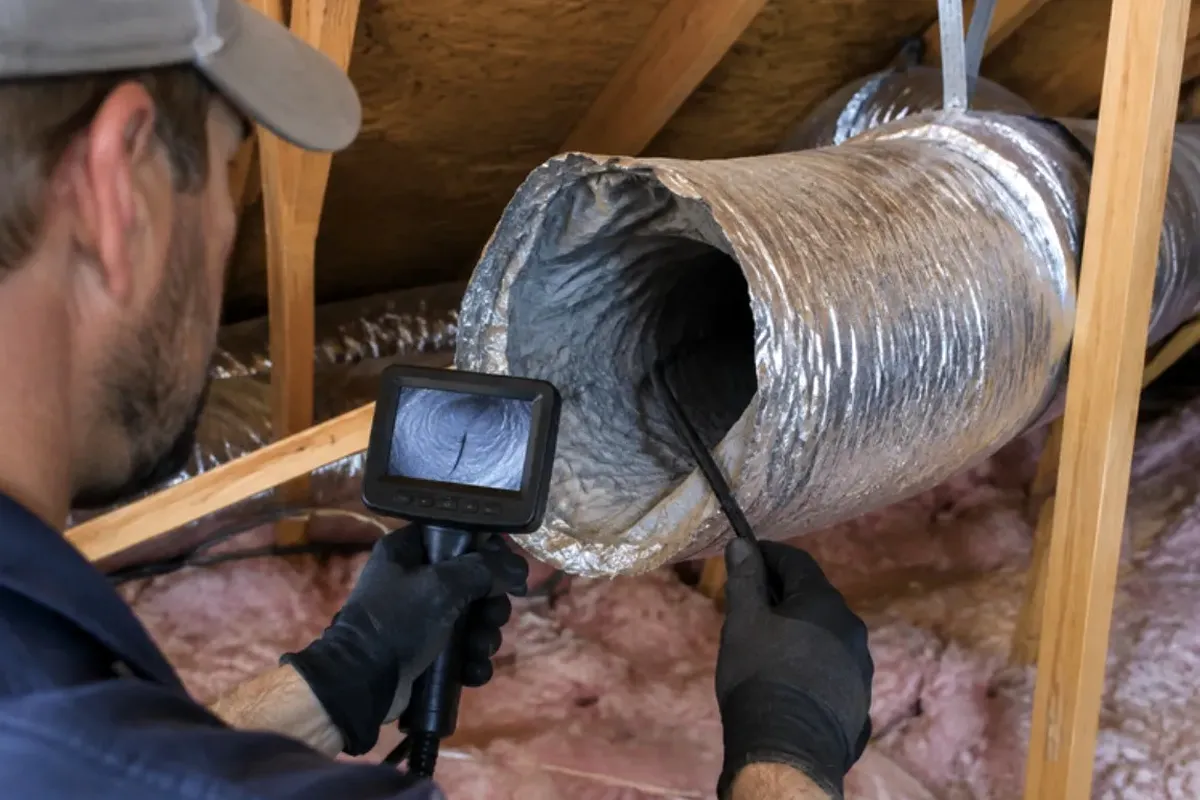
If a furnace or coil is close to the end of its service life, a company may suggest replacing the affected part, or the entire unit, rather than paying to clean it. Ask for both options on paper and weigh cleaning against replacement.
Standard duct cleaning is not the same thing
A routine duct cleaning removes dust and debris. Mold work adds containment, removal of materials beyond saving, surface treatment and a moisture fix. Be wary of anyone who offers a single vacuum pass over visible growth and calls it done.
Fogs and sprays do not fix the cause
Misting a product into ducts without removing the moisture usually masks the smell and little more. EPA generally does not recommend biocides such as bleach for ordinary cleanup. If growth returns, find the water instead of adding another treatment.
Permits and license checks in Wilmette
To register with the Illinois Department of Public Health, a mold remediation provider has to show third-party certification and financial responsibility. A business that only inspects or tests for mold doesn't need that registration.
Some owners hire one independent company for the inspection and clearance check and a different company for the cleanup, so the business judging the result isn't the one that did the work.
Rebuild work after the mold comes out, such as new drywall or framing, may need a permit; the Village of Wilmette is where to ask for Wilmette addresses.
Water that came in from outside raises insurance questions; FEMA's flood map search shows whether the property sits in a mapped flood zone.
Companies that take calls here usually also work in Evanston, Kenilworth and Winnetka.
HVAC & Duct Mold Removal questions in Wilmette
How does duct cleaning differ from mold removal?
Can I wipe a few specks off a register myself?
Will a new filter get rid of the odor?
Does a high water table affect a basement furnace?
More mold services in Wilmette
HVAC & Duct Mold Removal nearby
Helpful guides
Sources
Last updated: