Water that came up a floor drain or over a riverbank carries dirt and contaminants, so companies treat it with more caution than a clean pipe leak. If you have health concerns, talk with your doctor. Call the number on this page to be connected with a local mold company in Westchester.
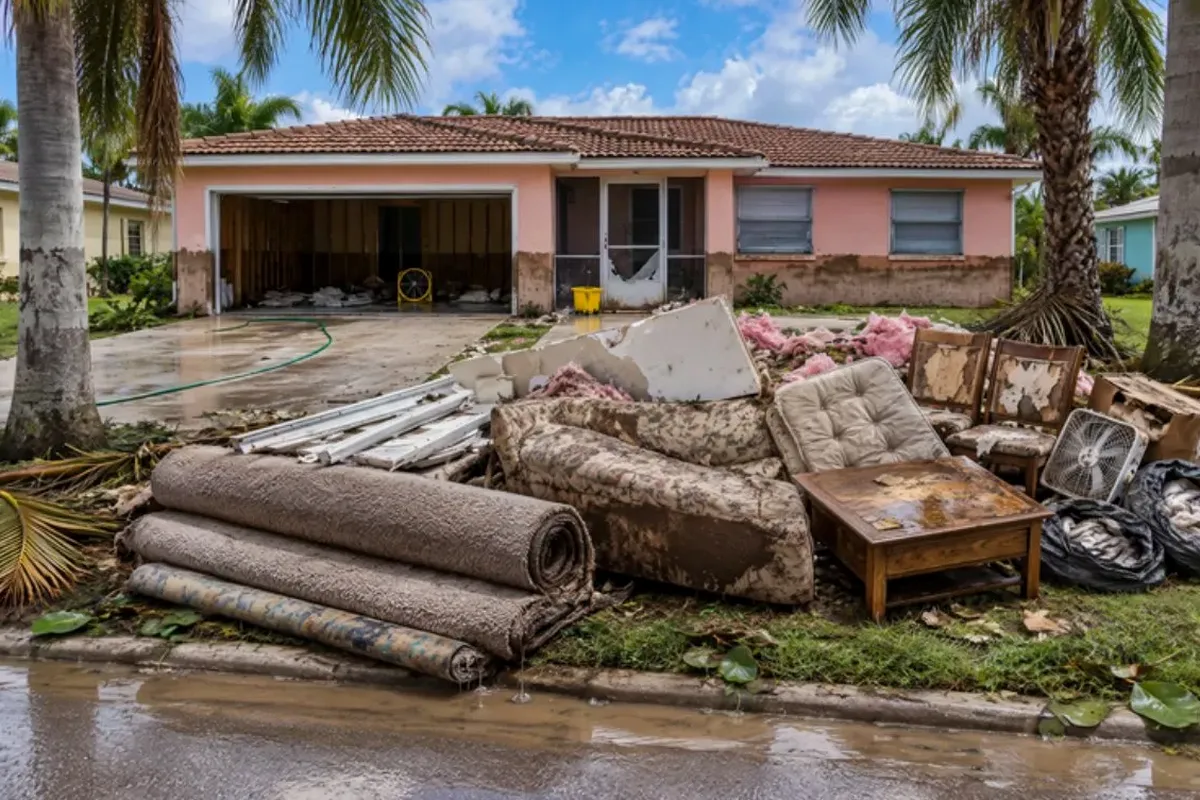
A fast four-question check
- Did water sit in the house longer than a day?
- Did it come from a river, creek or sewer line?
- Is the carpet or pad still damp?
- Does the lower level smell sour?
Two or more yes answers in Westchester mean it is time to call.
Combined sewers and the summer downpour
Older Chicago-area neighborhoods share one pipe for sewage and storm water. A big thunderstorm can fill it faster than it drains, pushing a mix of both up through floor drains and low fixtures. The water recedes within hours, but the mess soaks in.
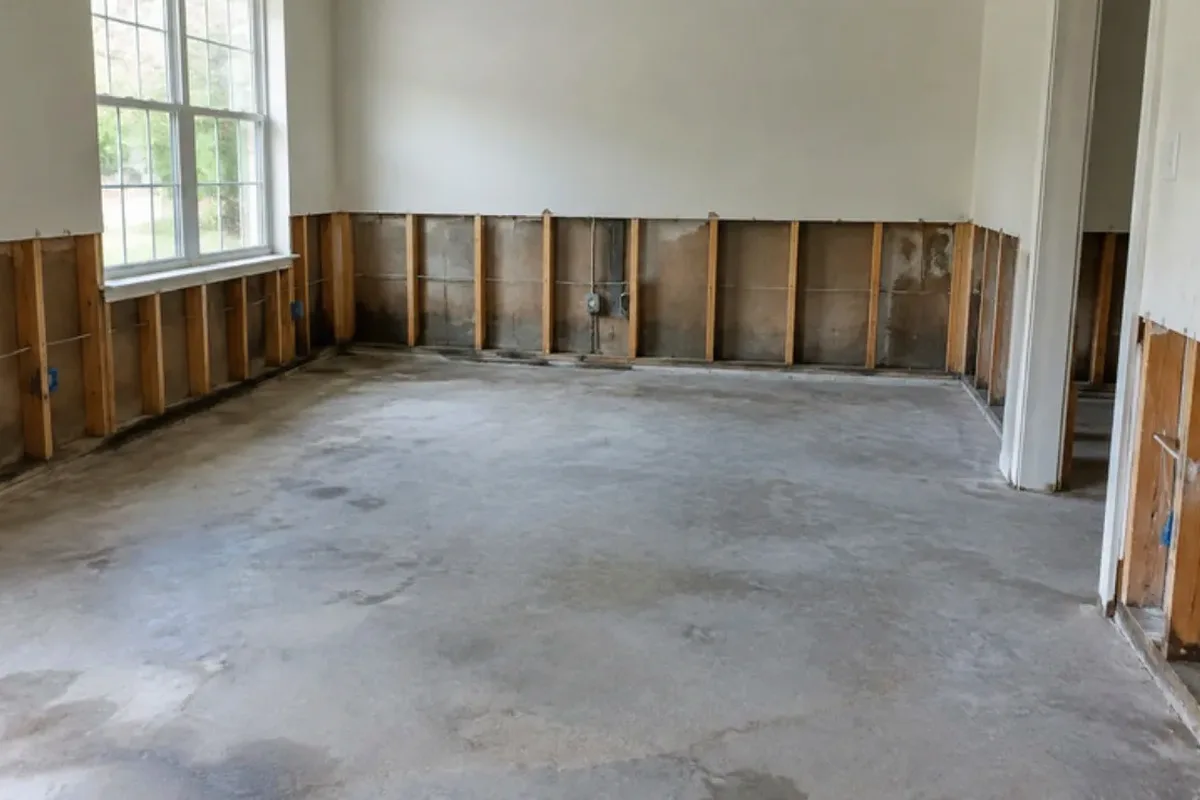
Layout and access matter
A walkout lower level with open framing is easier to dry than one with plaster, paneling and a drop ceiling. Narrow stairs, low headroom and cramped corners add labor and time on site. Ask the company what it will need to reach and move, and whether furniture or stored items must be cleared first.
Before work starts in Westchester
Illinois' Home Repair and Remodeling Act calls for a written contract or work order on jobs over $1,000, listing the contractor's business name and address and the total cost, with parts and materials described.
Ask whether the company that removes the mold will also test its own work. Many owners prefer an independent assessor for clearance.
Rebuild work after the mold comes out, such as new drywall or framing, may need a permit; the Village of Westchester is where to ask for Westchester addresses.
If river, creek or storm water got inside, FEMA's flood map service and your insurer can tell you how the address is zoned.
Companies that take calls here usually also work in Melrose Park, Hillside and La Grange Park.
Arrival and walkthrough
The company asks where the water came from and how long it stood, then walks the house with moisture meters and sometimes a thermal camera. It explains what can be dried, what must come out and how far the work will reach. Request a short summary at the end.
Exercise your sump pump
Each season, pour a bucket of water into the pit and watch the float rise and the pump cycle. Clear the discharge line, confirm it empties well away from the foundation and consider a battery backup for outages. Do this before storm season, not during it, and write the date on the pump so you remember the next test.
Storm & Flood Mold Removal questions in Westchester
Does homeowners insurance cover flood mold?
Is sewer backup water handled differently?
How long does a flooded basement take to dry?
Is bleach good for flood mold?
More mold services in Westchester
Storm & Flood Mold Removal nearby
Helpful guides
Sources
Last updated: