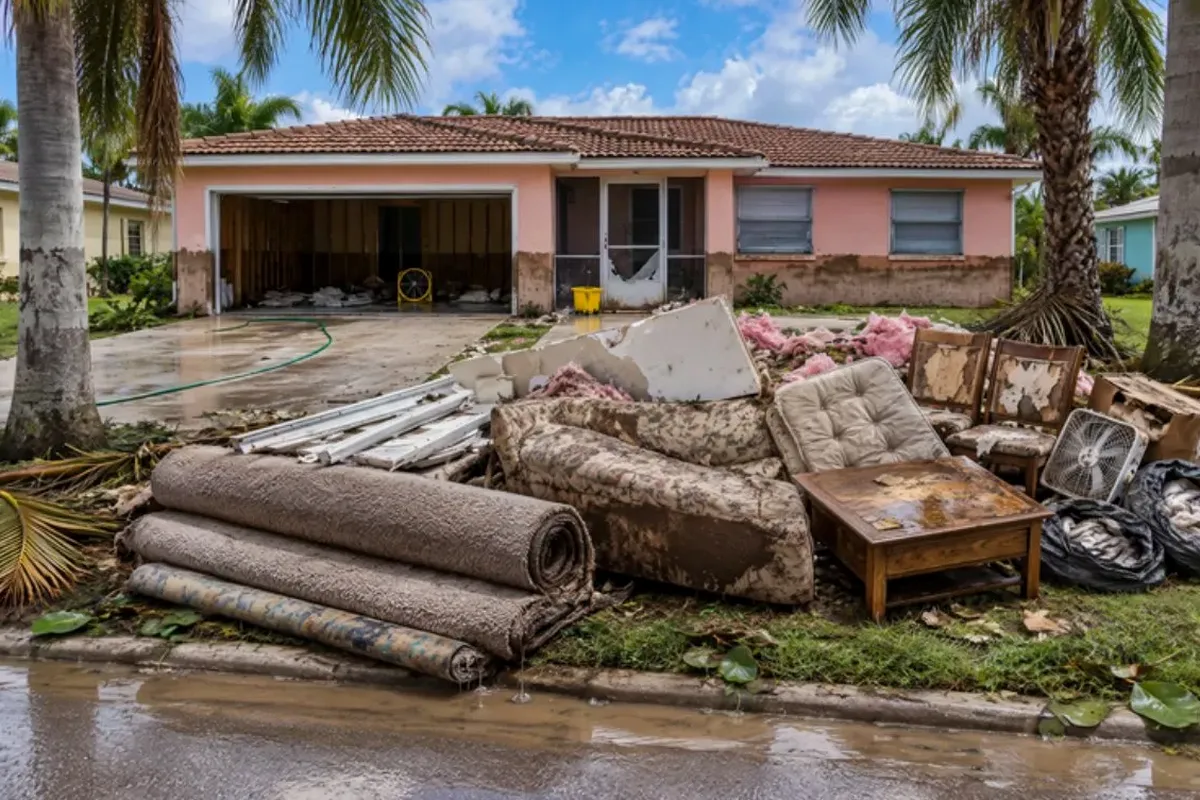
Mold can start on soaked drywall, carpet, insulation and wood within a day or two of flooding. EPA advises drying wet materials within 24 to 48 hours, and porous items that stay moldy generally have to come out. Call the number on this page to be connected with a local mold company in Hillside.
Signs the flood left mold behind
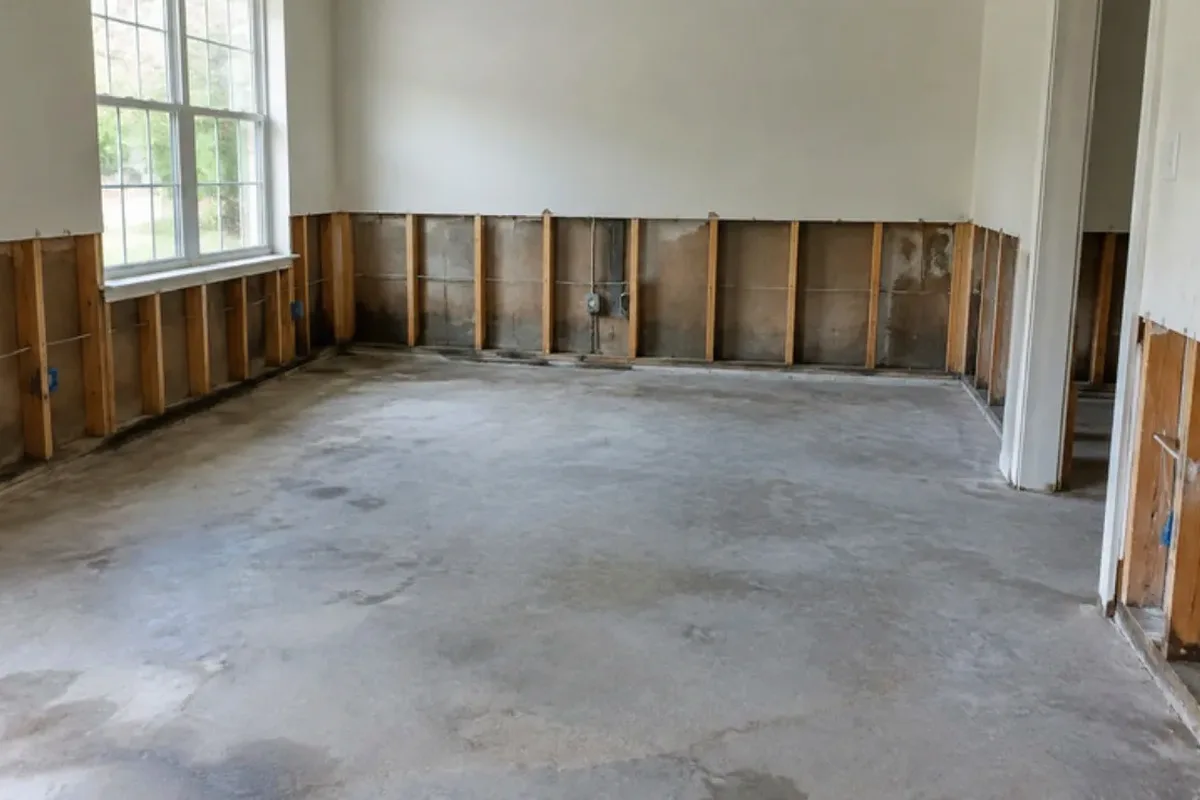
Watch for a musty odor that keeps returning, dark freckling low on the wall, drywall that turns soft or crumbly, paint bubbling near the floor and stains along carpet backing. Any of these means the structure has not dried, however dry the surface feels. Looks alone can mislead you.
Seepage through foundation walls
Waterlogged soil presses against the foundation and finds every crack, floor-to-wall joint and tie hole. A damp line in the corner can become standing water after a rainy week. Block, poured and older brick foundations all admit it, though each leaks in its own way.
Before work starts in Hillside
For home repair or remodeling work over $1,000 in Illinois, the contractor must furnish a written contract with the total cost before work starts, along with the pamphlet called Home Repair: Know Your Consumer Rights.
Ask whether the company that removes the mold will also test its own work. Many owners prefer an independent assessor for clearance.
If the job grows into replacing drywall, cabinets or framing, ask whether the rebuild needs a permit from the Village of Hillside.
If river, creek or storm water got inside, FEMA's flood map service and your insurer can tell you how the address is zoned.
Calls from Hillside are often matched with companies that also cover Melrose Park, Westchester and Berkeley.
Save it or tear it out
Concrete, framing and many hard surfaces can be dried and cleaned. Carpet, pad, insulation and drywall that stayed wet are usually removed. The more that can be saved, the lower the total, which is why speed matters so much. Ask which items are in each group, and have the company mark them so you can compare against the adjuster's list.
Information to have ready
Gather the storm date, photos of the water line, your insurer's claim number and the name of anyone who already pumped or cleaned. A list of what was stored down there helps the company judge what soaked through. Set aside time to walk the space with them and point out where water stood and where it entered.
Watch the humidity number
EPA suggests indoor humidity below about 60 percent, ideally between 30 and 50. A basic hygrometer shows where your basement stands. After flooding, keeping a dehumidifier running for a week or longer confirms the space is actually drying out. Write the readings down each day.
Storm & Flood Mold Removal questions in Hillside
Who removes mold after a flood?
Can I clean flood mold myself?
How soon should I call after the water is gone?
How is flood damage different from a pipe leak?
More mold services in Hillside
Storm & Flood Mold Removal nearby
Helpful guides
Sources
Last updated: