Order of work matters: stop the water, remove what is soaked, dry the structure, then clean. Fans and a dehumidifier help, yet saturated insulation and carpet pad are normally discarded. Call the number on this page to be connected with a local mold company in West Chicago.
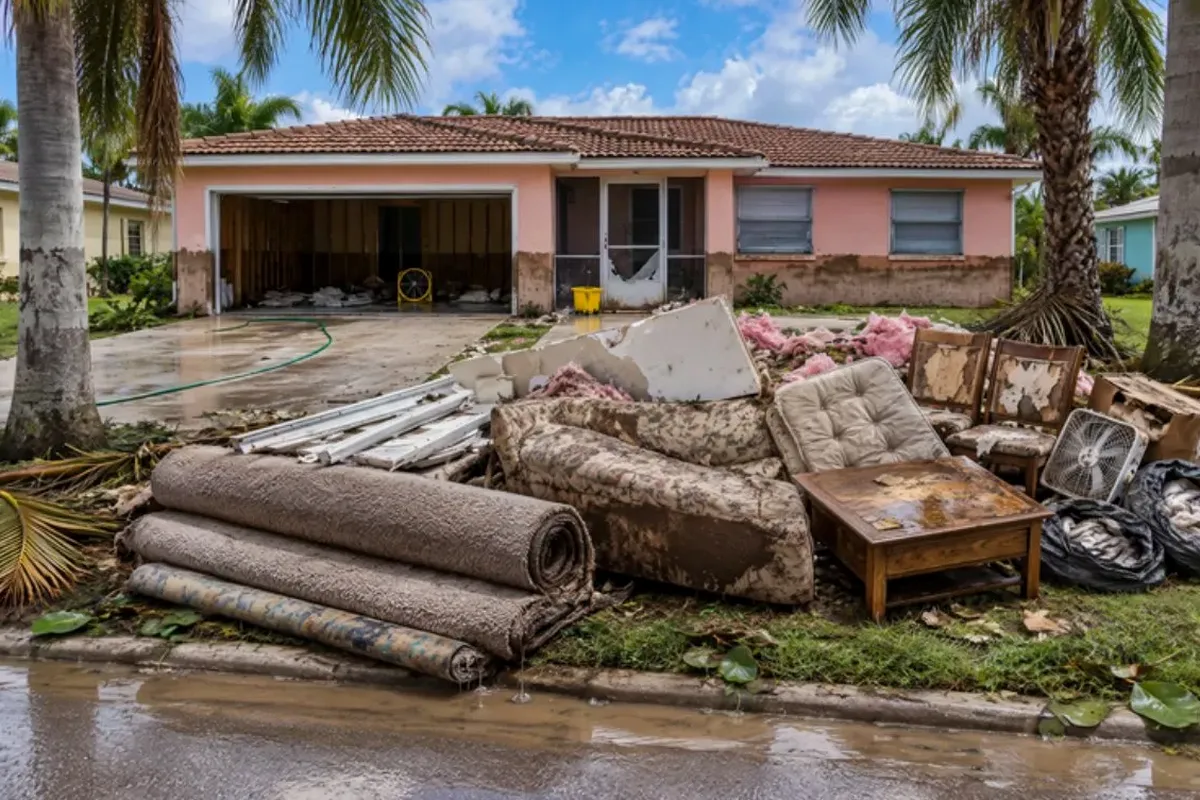
Walking back into a wet house
Confirm the electrical panel and outlets are safe before stepping into standing water, then document everything. Once water is out, open windows if weather permits and begin drying. If anything still feels damp after a day or two, ask about mold. Safety comes before salvage.
Seepage through foundation walls
Waterlogged soil presses against the foundation and finds every crack, floor-to-wall joint and tie hole. A damp line in the corner can become standing water after a rainy week. Block, poured and older brick foundations all admit it, though each leaks in its own way.
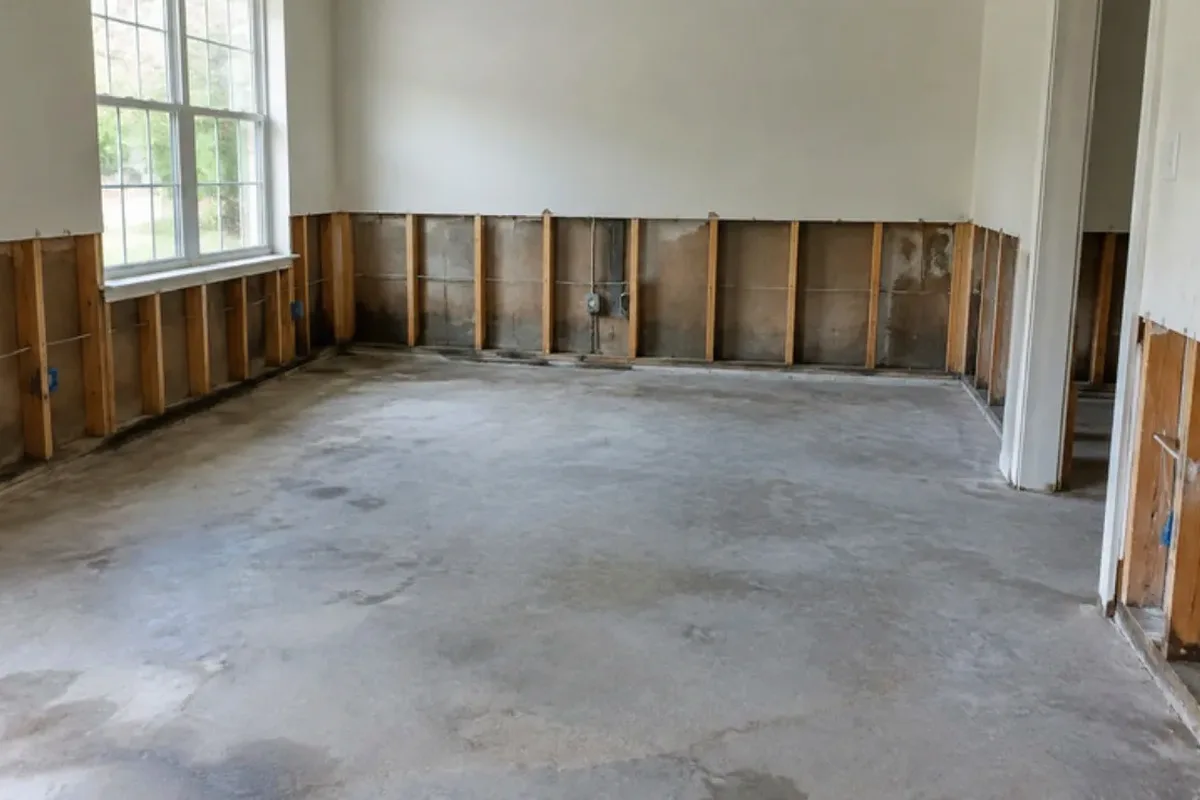
Depth and time raise the work
A couple of inches that drained within hours leave a shallow wet zone. A foot that sat overnight wets drywall far up the wall and soaks insulation. Longer exposure fails more materials, so every day of delay can add items to the list.
Useful local contacts for West Chicago
On Illinois jobs over $1,000, the contractor should have you sign a Consumer Rights Acknowledgment Form when it hands over the state's home repair consumer-rights pamphlet.
Ask whether the company that removes the mold will also test its own work. Many owners prefer an independent assessor for clearance.
If the job grows into replacing drywall, cabinets or framing, ask whether the rebuild needs a permit from the City of West Chicago.
Water that came in from outside raises insurance questions; FEMA's flood map search shows whether the property sits in a mapped flood zone.
Nearby, the same kind of help is available in Carol Stream, Winfield and Warrenville.
Arrival and walkthrough
The company asks where the water came from and how long it stood, then walks the house with moisture meters and sometimes a thermal camera. It explains what can be dried, what must come out and how far the work will reach. Request a short summary at the end.
Document as you go
Take dated photos of the water line, damaged belongings and each step of cleanup. Save receipts for equipment rental, hauling and repairs. Good records support the insurance claim and tell a mold company how long materials stayed wet. Keep everything in one folder.
Storm & Flood Mold Removal questions in West Chicago
Can mold grow after a flood in West Chicago?
How long does a flooded basement take to dry?
Can I clean flood mold myself?
How soon should I call after the water is gone?
More mold services in West Chicago
Storm & Flood Mold Removal nearby
Helpful guides
Sources
Last updated: