Water that came up a floor drain or over a riverbank carries dirt and contaminants, so companies treat it with more caution than a clean pipe leak. If you have health concerns, talk with your doctor. Call the number on this page to be connected with a local mold company in Naperville.
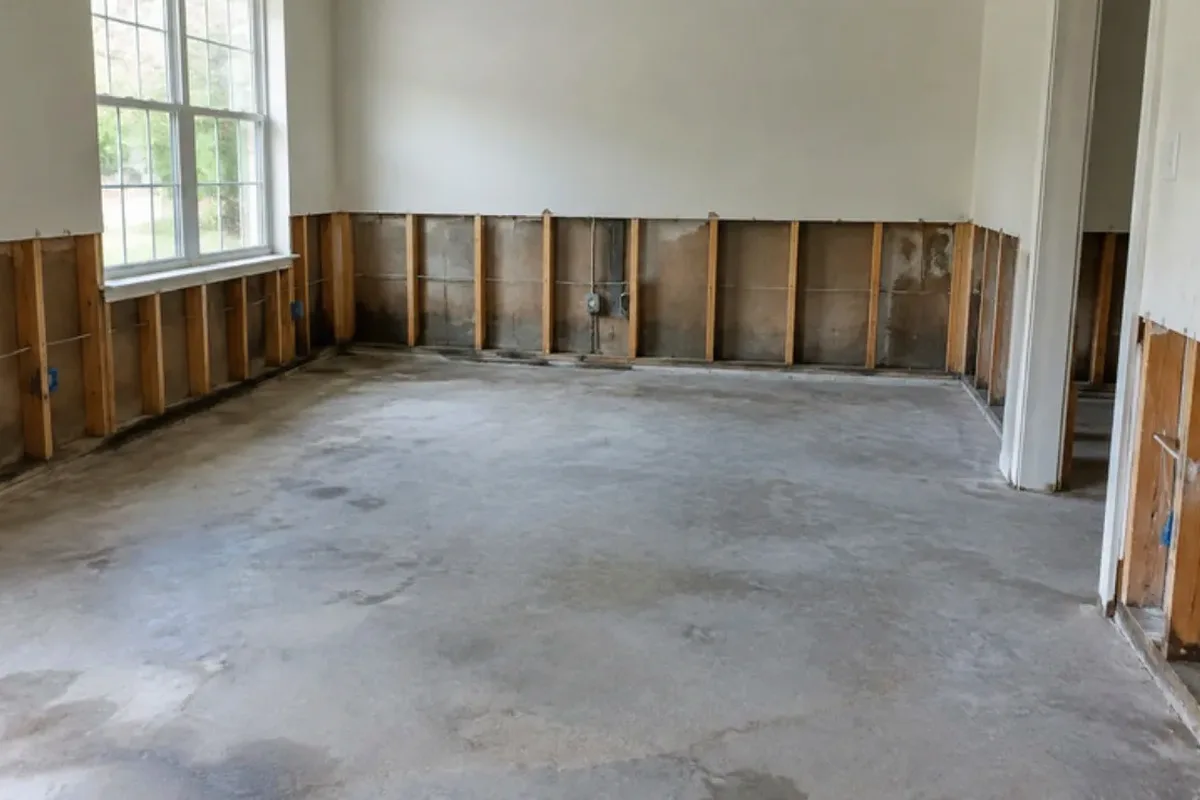
Signs the flood left mold behind
Watch for a musty odor that keeps returning, dark freckling low on the wall, drywall that turns soft or crumbly, paint bubbling near the floor and stains along carpet backing. Any of these means the structure has not dried, however dry the surface feels. Looks alone can mislead you.
Seepage through foundation walls
Waterlogged soil presses against the foundation and finds every crack, floor-to-wall joint and tie hole. A damp line in the corner can become standing water after a rainy week. Block, poured and older brick foundations all admit it, though each leaks in its own way.
Low lots near a waterway often see seepage even without a major flood. After heavy rain, check the lowest floor for dampness, odor and white mineral staining.
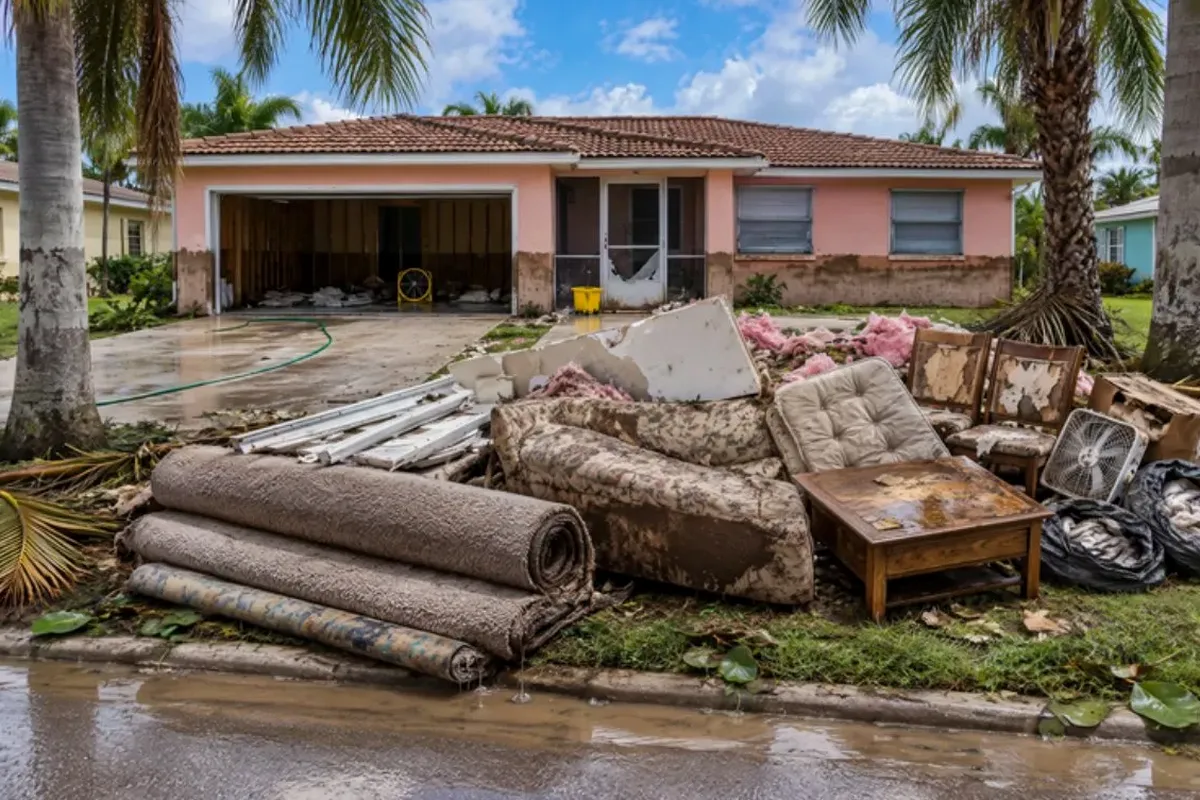
Clean, gray or contaminated
Restoration companies sort water into categories, and the category changes the method. River or sewer water calls for removing porous materials and adding cleaning steps, which means more labor. Ask the company to explain the category it assigned and why, preferably with photos of each removal item.
Useful local contacts for Naperville
Illinois' Home Repair and Remodeling Act calls for a written contract or work order on jobs over $1,000, listing the contractor's business name and address and the total cost, with parts and materials described.
Ask whether the company that removes the mold will also test its own work. Many owners prefer an independent assessor for clearance.
Remediation itself is cleanup, but putting the room back together can be permitted work; ask the contractor whether the City of Naperville needs to be involved.
Water that came in from outside raises insurance questions; FEMA's flood map search shows whether the property sits in a mapped flood zone.
Nearby, the same kind of help is available in Aurora, Warrenville and Lisle.
Keeping dust out of the upstairs
Opening wet walls can stir up dust and spores, so companies often hang plastic sheeting, seal the work zone and exhaust air outside. Ask how they will protect living areas, whether furnace returns will be covered, how the sheeting comes down and when the equipment will be switched off.
The first two days count most
Remove the water, open the space to air and start fans and a dehumidifier. Pull out soaked carpet, pad and anything that cannot dry. Growth can begin on wet material within a day or two, so each hour of drying helps. Do not wait and hope that it dries by itself, because wet material left in place rarely does.
Naperville at a glance
Calls come in from across Naperville, including around Moser Tower and the Millennium Carillon, Centennial Beach, Naperville Riverwalk.
Naperville sits along the DuPage River, and the city has seen major river floods.
Storm & Flood Mold Removal questions in Naperville
Can mold grow after a flood in Naperville?
My sump pump quit during the storm. What now?
How long does a flooded basement take to dry?
Can I clean flood mold myself?
More mold services in Naperville
Storm & Flood Mold Removal nearby
Helpful guides
Sources
- City of Naperville Building Permits
- Illinois Department of Public Health: mold remediation registration
- Illinois Department of Public Health: mold FAQs
- Illinois General Assembly: Home Repair and Remodeling Act
- EPA: A Brief Guide to Mold, Moisture and Your Home
- Naperville housing by year built
- Naperville: local background
Last updated: