Removing black mold works like any indoor mold job: stop the water, seal off the area, take out what cannot be saved and dry what remains. Color does not name a species, and EPA advises treating indoor growth the same whatever shade it is. Call the number on this page to be connected with a local mold company in Naperville.
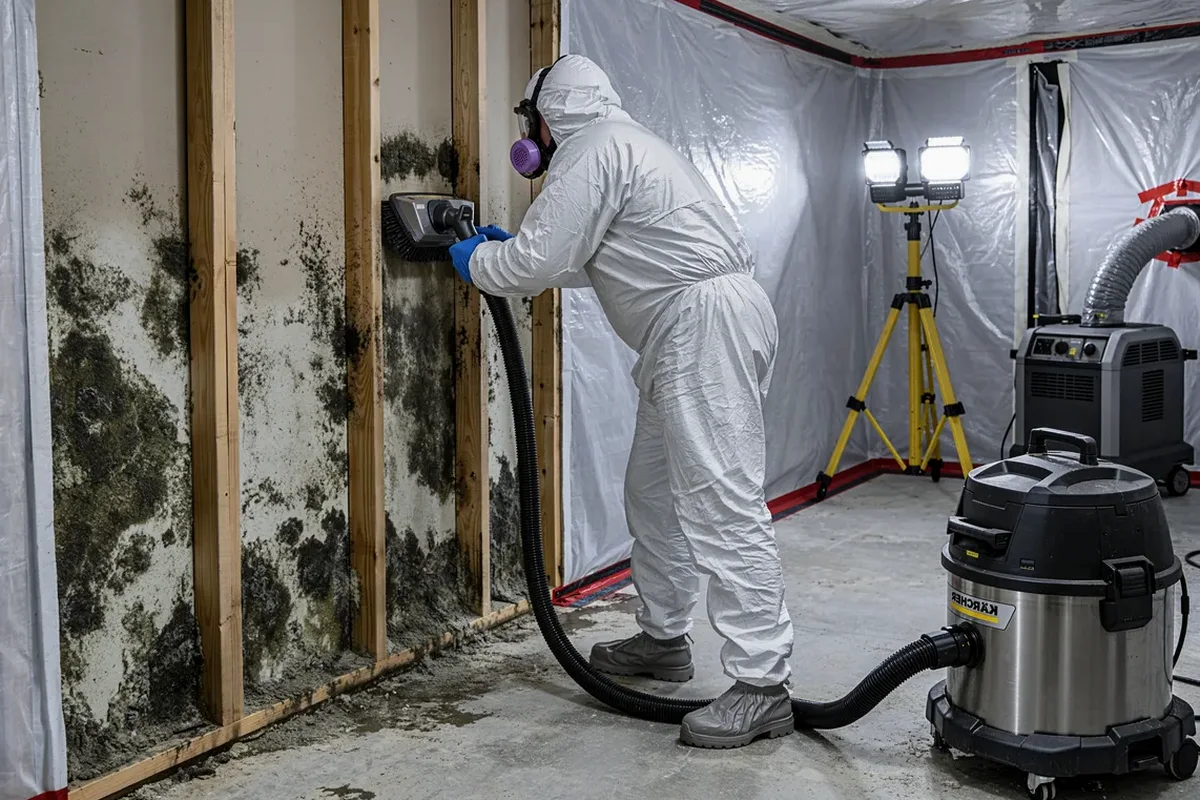
Mold, soot or plain grime?
Some dark marks are dust, candle smoke, furnace residue or grime collected around vents. Ask three things: is the spot damp, does it smell musty, and does it come back after wiping? Yes answers mean mold is likely, and the real question becomes where the water is coming from.
Rivers, creeks and the lake
Houses near the Des Plaines, the DuPage, the Fox, Salt Creek or the Lake Michigan shore stand on ground that stays soggy longer. Groundwater presses into basements after storms and snowmelt, and dark growth on lower walls or around sump pits often follows.
Close to a river, creek or the lake, ground stays wet longer and basements pick up seepage after storms, so dark growth on lower walls, sump areas and stored belongings is a regular call.
Water repair is its own task
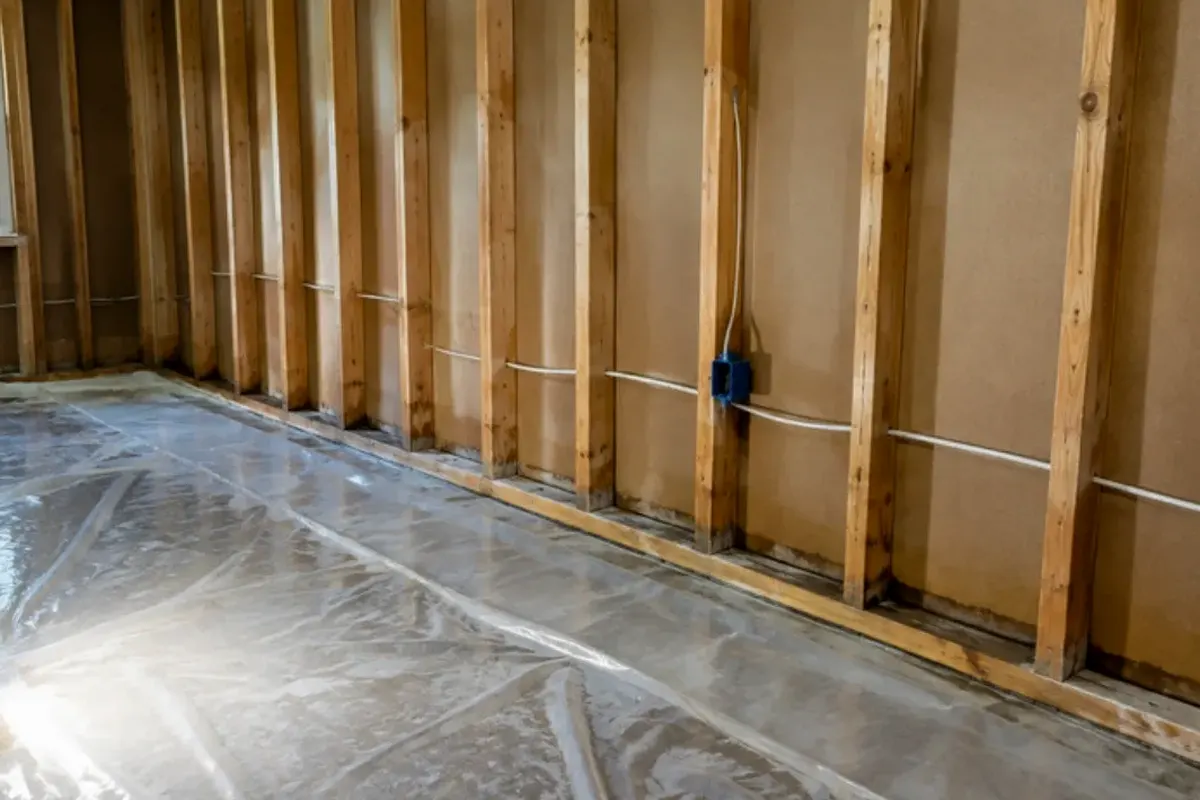
Mold removal deals with the growth, yet a leaking line, bad flashing or damp foundation needs a separate fix. Without it, the dark patch comes back. A good scope lists both jobs so nothing stays wet behind new finishes. Ask for both in writing.
Who handles what in Naperville
Illinois asks mold remediation companies to register with the Illinois Department of Public Health under the Mold Remediation Registration Act. Ask for that registration before cleanup starts; IDPH does not license people who only do mold assessments or testing.
Keep the inspection report, the scope of work and any clearance results together; buyers, landlords and insurers often ask for them later.
If the job grows into replacing drywall, cabinets or framing, ask whether the rebuild needs a permit from the City of Naperville.
If river, creek or storm water got inside, FEMA's flood map service and your insurer can tell you how the address is zoned.
Nearby, the same kind of help is available in Aurora, Warrenville and Lisle.
Good questions to put to the company
How will the area be contained? Where does removed material go? How will dryness be confirmed? What does the written plan cover? A solid company answers plainly. Also ask what you need to do, such as moving belongings or turning off the furnace.
Renters and shared buildings
Tenants should report dark growth to the landlord in writing and keep dated photos. In a two-flat or courtyard building, neighbors or an association may need to join the conversation. Do not wait for it to fade, because dampness seldom fixes itself.
Around Naperville
Calls come in from across Naperville, including around Moser Tower and the Millennium Carillon, Centennial Beach, Naperville Riverwalk.
Naperville sits along the DuPage River, and the city has seen major river floods.
Black Mold Removal questions in Naperville
Is black mold more dangerous than other mold?
Can I remove black mold myself?
How long should wet materials take to dry?
Is dark mold common near water in Naperville?
More mold services in Naperville
Black Mold Removal nearby
Helpful guides
Sources
- City of Naperville Building Permits
- Illinois Department of Public Health: mold remediation registration
- Illinois Department of Public Health: mold FAQs
- Illinois General Assembly: Home Repair and Remodeling Act
- EPA: A Brief Guide to Mold, Moisture and Your Home
- Naperville housing by year built
- Naperville: local background
Last updated: