EPA says a homeowner can usually handle an area under about 10 square feet. After a flood the affected area is often far larger and reaches inside walls and under flooring. Call the number on this page to be connected with a local mold company in Winnetka.
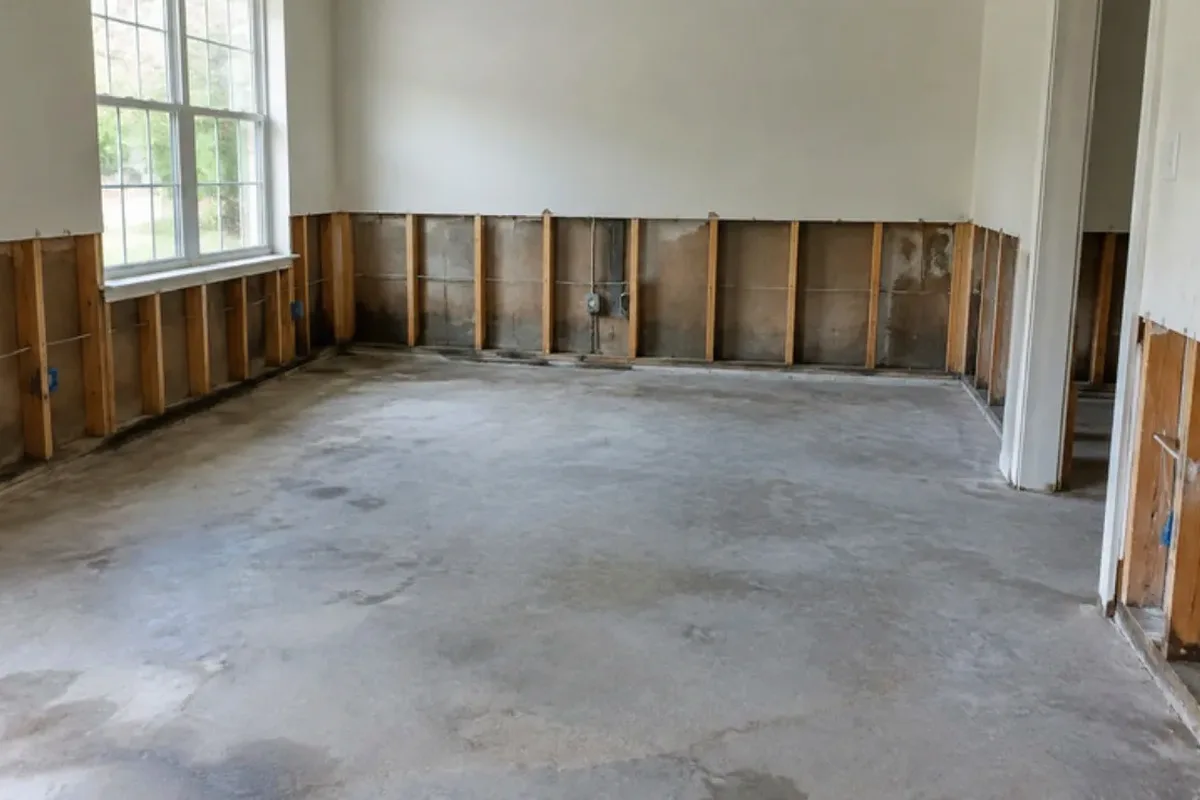
Smell without any visible growth
A strong odor with nothing showing often means growth sits behind paneling, under flooring or inside insulation. EPA notes that sampling usually is not needed when mold is visible, so the useful question becomes how far moisture traveled. Moisture meters answer that better than eyesight.
Seepage through foundation walls
Waterlogged soil presses against the foundation and finds every crack, floor-to-wall joint and tie hole. A damp line in the corner can become standing water after a rainy week. Block, poured and older brick foundations all admit it, though each leaks in its own way.
Close to a river or creek, Winnetka basements can take water from below as well as above. Plan on fans and dehumidifiers running long after the visible water is gone.
What sets the scope after flooding
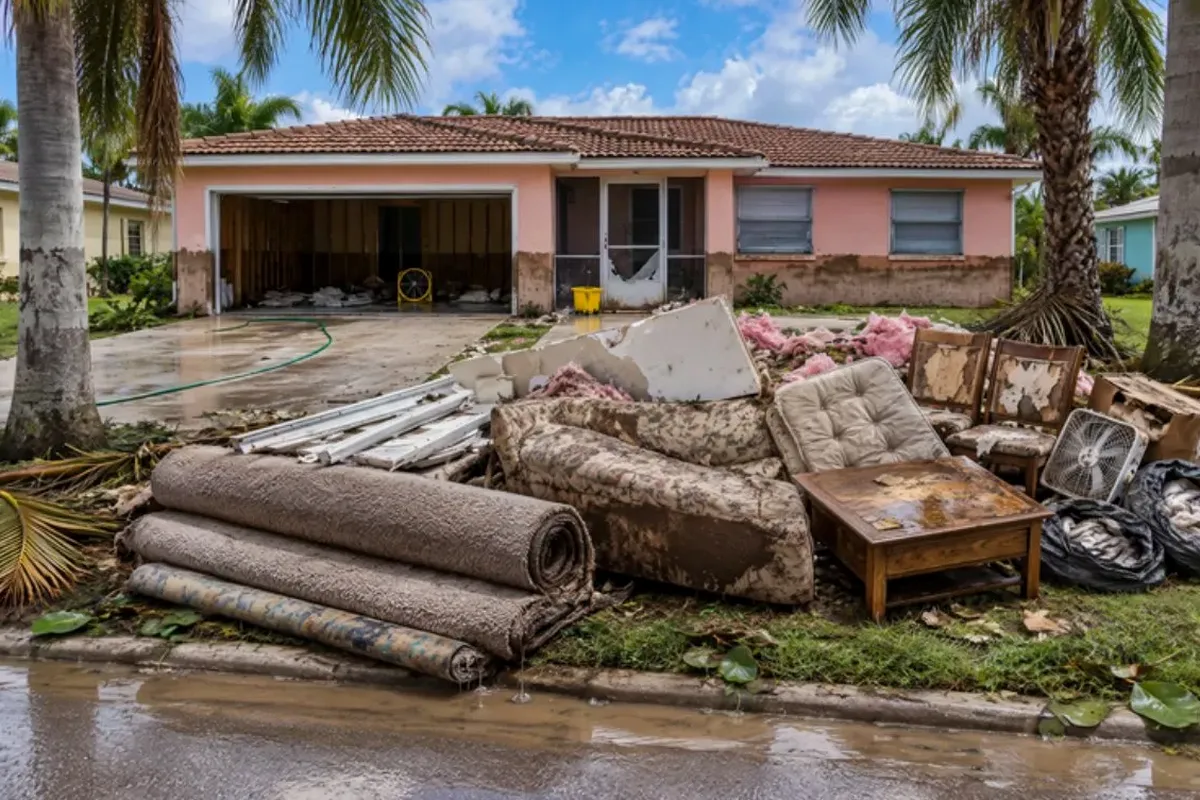
The kind of water, its depth, how long it stood and what it touched drive the job. Clean rainwater in a bare basement is a modest drying task. Sewage in a finished basement calls for removal, cleaning and a much larger scope. Ask which water category applies.
Equipment you may see
Expect pumps, wet vacuums, large air movers and dehumidifiers, and sometimes air scrubbers venting filtered air outdoors. Machines run for several days, and readings are taken again to show the structure is drying before anyone rebuilds. Ask what will be photographed and logged each day.
Before work starts in Winnetka
IDPH advises that mold growth larger than about 10 square feet be cleaned up by a professional remediator. Remediation providers in Illinois register with IDPH, so that registration is the first thing to confirm.
Ask whether the company that removes the mold will also test its own work. Many owners prefer an independent assessor for clearance.
Check with the Village of Winnetka before walls, cabinets or flooring go back in if the work goes beyond cleanup.
For flood zone questions after a heavy rain, FEMA's flood maps and your insurance agent can confirm the mapped zone for an address.
Nearby, the same kind of help is available in Glenview, Kenilworth and Wilmette.
A smell that returns
An odor that fades, then comes back on muggy days, suggests moisture remains in walls or beneath flooring. Hold off on closing walls or laying new floors until readings show the structure is dry. A meter on the surface tells you more than your nose, and a quick reading takes the company only a moment.
Storm & Flood Mold Removal questions in Winnetka
Does homeowners insurance cover flood mold?
My sump pump quit during the storm. What now?
Can I clean flood mold myself?
Is bleach good for flood mold?
More mold services in Winnetka
Storm & Flood Mold Removal nearby
Helpful guides
Sources
Last updated: