Mold can start on soaked drywall, carpet, insulation and wood within a day or two of flooding. EPA advises drying wet materials within 24 to 48 hours, and porous items that stay moldy generally have to come out. Call the number on this page to be connected with a local mold company in Willow Springs.
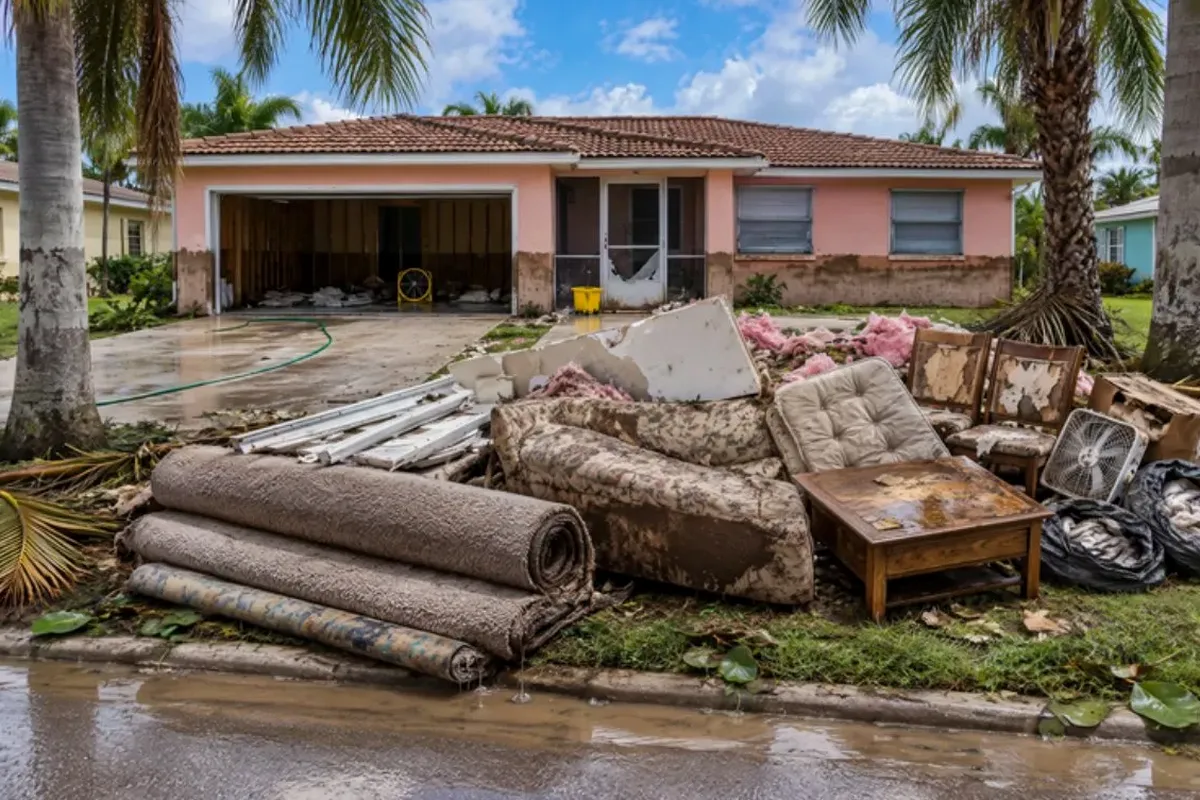
Sort belongings before the dumpster
Take pictures first, then sort. Upholstered furniture, mattresses and stuffed items that sat in contaminated water are normally thrown out. Solid wood, metal and hard plastic can frequently be cleaned. A company can weigh in on borderline pieces, and the adjuster may want to see the discards.
A damp climate with older foundations
Humid summers, wet springs and many foundations poured before modern waterproofing give moisture a long season. After flooding, a house here dries slowly unless fans, a dehumidifier and fresh air go to work quickly, and slow drying is how mold gets started.
Close to a river or creek, Willow Springs basements can take water from below as well as above. Plan on fans and dehumidifiers running long after the visible water is gone.
Homes set back from town services often rely on private wells and onsite wastewater systems, and flooding can affect both. A company can advise what to check once the water recedes.
Permits and license checks in Willow Springs
For home repair or remodeling work over $1,000 in Illinois, the contractor must furnish a written contract with the total cost before work starts, along with the pamphlet called Home Repair: Know Your Consumer Rights.
Keep the inspection report, the scope of work and any clearance results together; buyers, landlords and insurers often ask for them later.
Remediation itself is cleanup, but putting the room back together can be permitted work; ask the contractor whether the Village of Willow Springs needs to be involved.
Water that came in from outside raises insurance questions; FEMA's flood map search shows whether the property sits in a mapped flood zone.
Nearby, the same kind of help is available in Oak Lawn, Willowbrook and Justice.
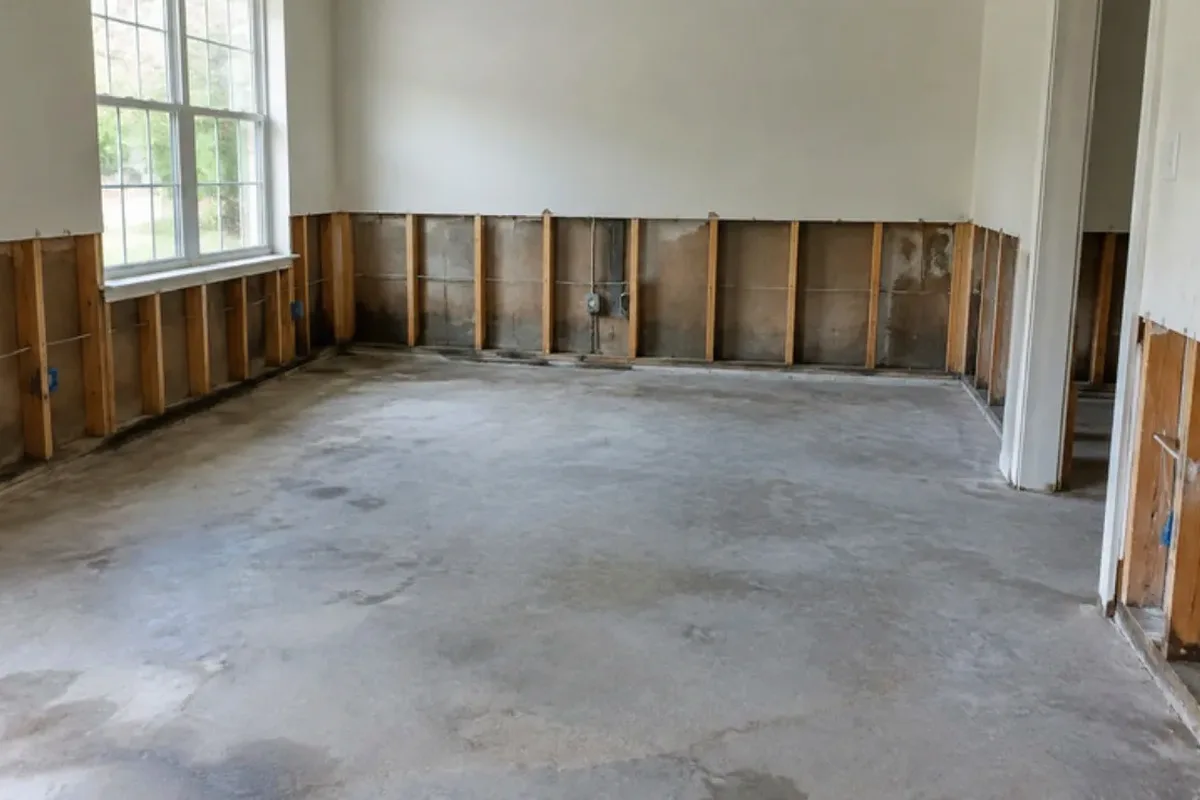
Save it or tear it out
Concrete, framing and many hard surfaces can be dried and cleaned. Carpet, pad, insulation and drywall that stayed wet are usually removed. The more that can be saved, the lower the total, which is why speed matters so much. Ask which items are in each group, and have the company mark them so you can compare against the adjuster's list.
Your role during the work
Be prepared to move belongings, shut off the furnace for the work area and keep children and pets clear. If you live in a condo, two-flat or townhome, tell neighbors, since noise and equipment can carry through shared walls or floors, and let the building manager know too.
Document as you go
Take dated photos of the water line, damaged belongings and each step of cleanup. Save receipts for equipment rental, hauling and repairs. Good records support the insurance claim and tell a mold company how long materials stayed wet. Keep everything in one folder.
Storm & Flood Mold Removal questions in Willow Springs
Does homeowners insurance cover flood mold?
Is bleach good for flood mold?
Will mold return after cleanup?
Does living near a river or creek raise my risk?
More mold services in Willow Springs
Storm & Flood Mold Removal nearby
Helpful guides
Sources
Last updated: