Furniture, boxes and shelving jammed against a damp foundation wall grow mold first. Pulling them a few inches out and looking behind often shows the exact line where moisture arrives. Call the number on this page to be connected with a local mold company in Villa Park.
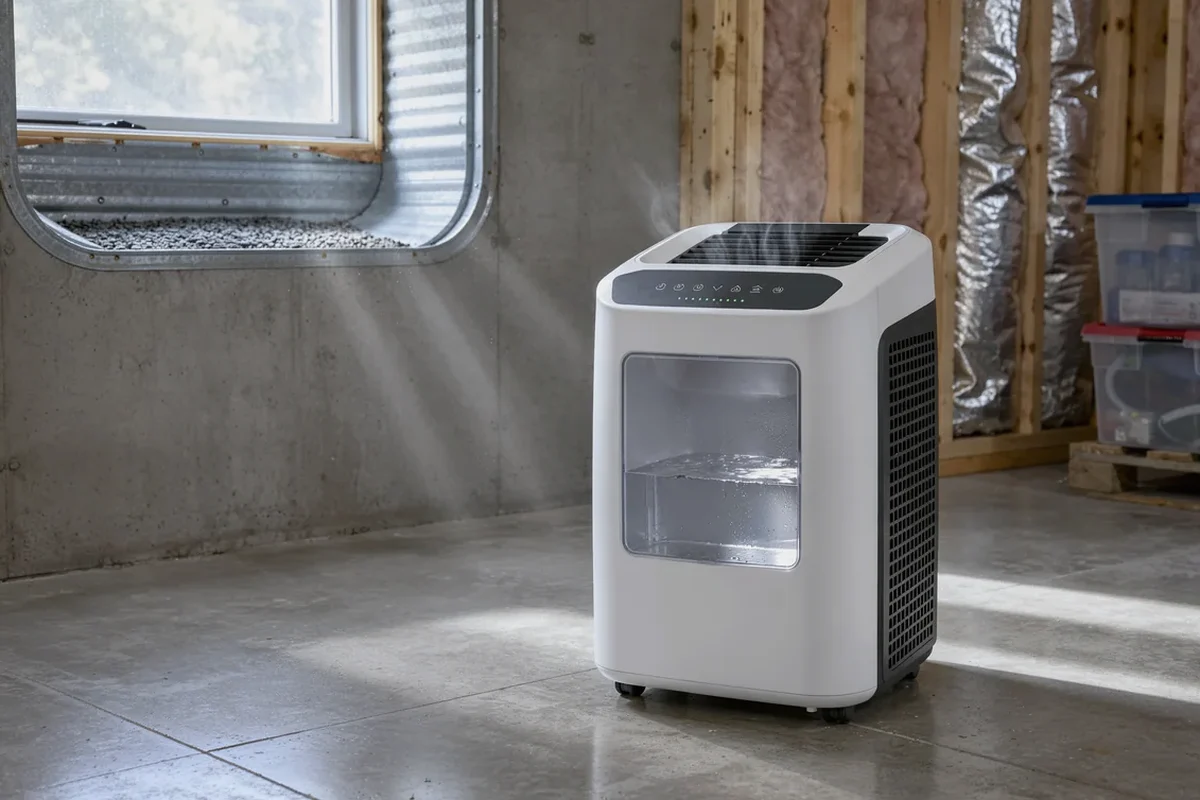
Window Wells After a Downpour
Right after a heavy rain, peer into each window well with a flashlight. Standing water, packed leaves or a cracked cover mean trouble. If the wall beneath that window is stained, or the carpet in that corner feels damp, you have found a likely entry point.
Where the Roof Water Goes
Soil that tilts toward the foundation, downspouts that dump beside the wall and window wells without covers send rainwater straight at the lower level. Stand outside during a storm and watch the paths; they often explain stains inside better than any instrument can. Notice where puddles form.
Houses near the water around Villa Park can take on groundwater whenever the river climbs, and a pump that cannot keep pace leaves carpet and walls damp.
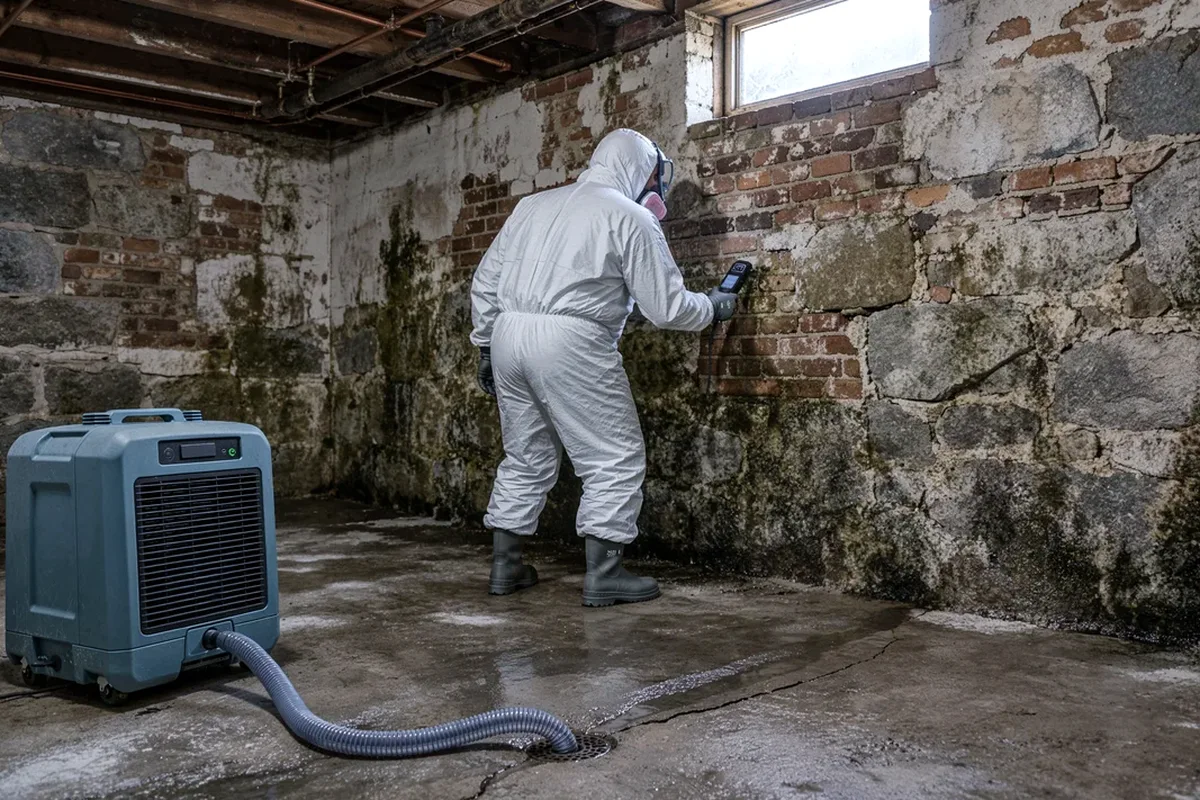
Before work starts in Villa Park
IDPH advises that mold growth larger than about 10 square feet be cleaned up by a professional remediator. Remediation providers in Illinois register with IDPH, so that registration is the first thing to confirm.
Ask whether the company that removes the mold will also test its own work. Many owners prefer an independent assessor for clearance.
Check with the Village of Villa Park before walls, cabinets or flooring go back in if the work goes beyond cleanup.
For flood zone questions after a heavy rain, FEMA's flood maps and your insurance agent can confirm the mapped zone for an address.
Nearby, the same kind of help is available in Elmhurst, Lombard and Berkeley.
Cost Drivers by Finish Type
| Finish | What it usually means |
|---|---|
| Exposed block | Cleaning and drying only |
| Carpet on slab | Carpet and cushion removed |
| Drywall or paneling | Demolition plus rebuild |
Real basements usually combine all three, so expect a mix of line items, and ask the company to separate them wall by wall.
Salvage or Discard
Concrete, brick, metal and sealed lumber can generally be cleaned. Cushion, fiberglass batts, paper-faced drywall and particleboard that stayed soaked usually cannot. A sound company names each finish headed for the dumpster, explains why, and puts the list in your hands before any demolition begins on site.
Exercise the Pump
Once or twice a season, fill the pit with water and watch the float lift and the pump discharge. Confirm the outlet line runs clear and away from the house. Ask a plumber about a battery backup, because outages often coincide with rising groundwater. Do this before spring.
Basement Mold Removal questions in Villa Park
Why is there a stale odor when everything looks dry?
What is the powdery white residue on my wall?
Do I need the air tested?
Are creek- or river-side basements more at risk?
More mold services in Villa Park
Basement Mold Removal nearby
Helpful guides
Sources
Last updated: