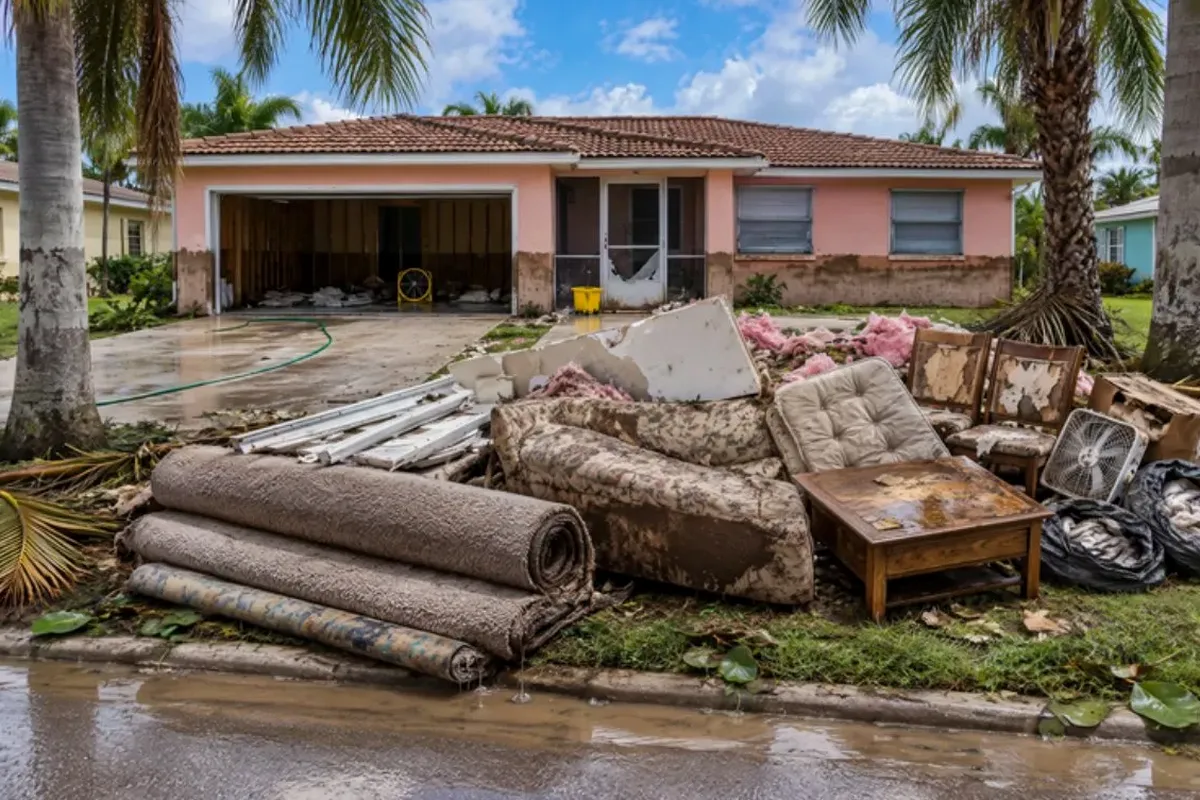
EPA says a homeowner can usually handle an area under about 10 square feet. After a flood the affected area is often far larger and reaches inside walls and under flooring. Call the number on this page to be connected with a local mold company in River Forest.
What brick and block basements show
Foundation walls of brick, block or poured concrete often display white mineral crust, a damp band that wicks upward, a sour smell and flaking paint. Water pushes through joints and cracks, so a wall can stay wet even after the floor drain clears. Tap lower sections and note any dull sound.
A damp climate with older foundations
Humid summers, wet springs and many foundations poured before modern waterproofing give moisture a long season. After flooding, a house here dries slowly unless fans, a dehumidifier and fresh air go to work quickly, and slow drying is how mold gets started.
Low lots near a waterway often see seepage even without a major flood. After heavy rain, check the lowest floor for dampness, odor and white mineral staining.
Rebuild comes separately
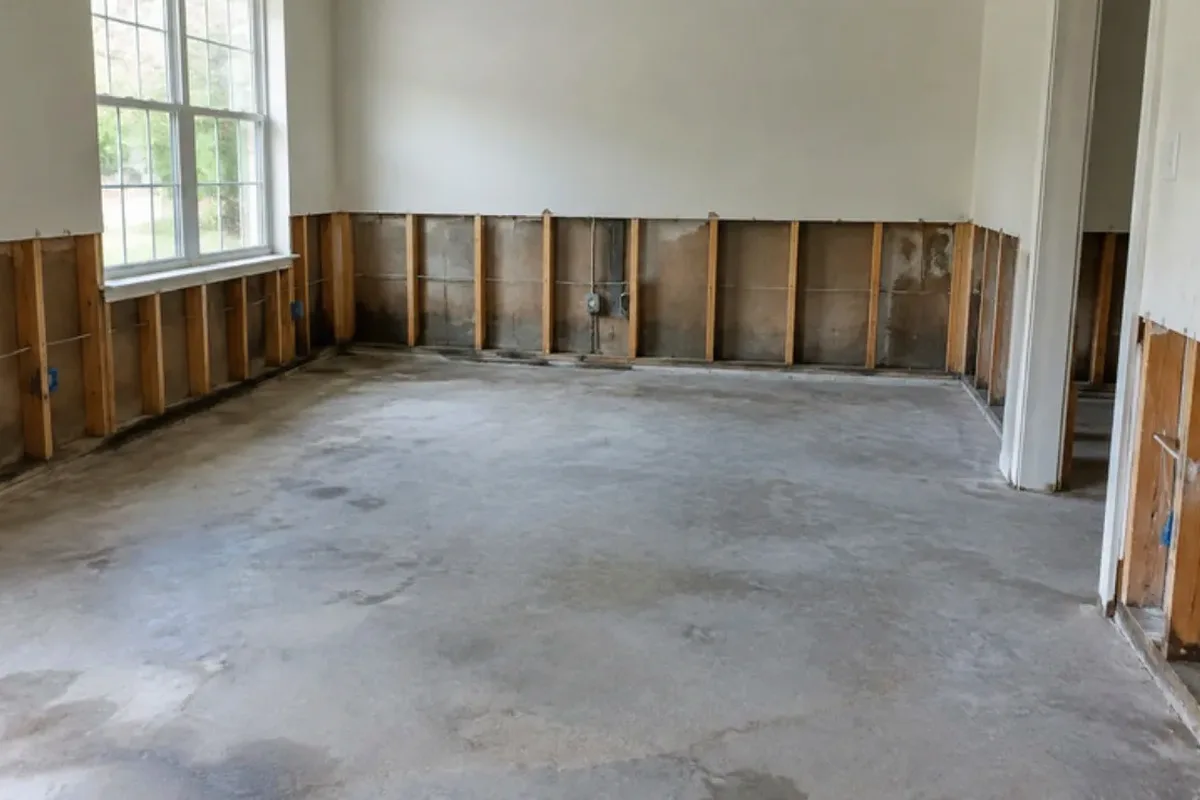
Mold companies commonly finish once the space is clean and dry. New drywall, paint, flooring and trim typically fall to a general contractor. Ask whether the quote includes rebuilding so you are not caught off guard when the cleanup ends and the walls are still open.
Arrival and walkthrough
The company asks where the water came from and how long it stood, then walks the house with moisture meters and sometimes a thermal camera. It explains what can be dried, what must come out and how far the work will reach. Request a short summary at the end.
Tenants and shared buildings
Renters should tell the landlord in writing right away and keep copies. In courtyard buildings, two-flats and townhomes, water often crosses shared walls and floors. Prompt notice and clear photos protect you and move the cleanup along for every unit involved, so send them the same day.
Permits and license checks in River Forest
IDPH advises that mold growth larger than about 10 square feet be cleaned up by a professional remediator. Remediation providers in Illinois register with IDPH, so that registration is the first thing to confirm.
Ask whether the company that removes the mold will also test its own work. Many owners prefer an independent assessor for clearance.
Remediation itself is cleanup, but putting the room back together can be permitted work; ask the contractor whether the Village of River Forest needs to be involved.
If river, creek or storm water got inside, FEMA's flood map service and your insurer can tell you how the address is zoned.
Companies that take calls here usually also work in Oak Park, Elmwood Park and Forest Park.
Storm & Flood Mold Removal questions in River Forest
Does homeowners insurance cover flood mold?
Is sewer backup water handled differently?
How is flood damage different from a pipe leak?
Does living near a river or creek raise my risk?
More mold services in River Forest
Storm & Flood Mold Removal nearby
Helpful guides
Sources
Last updated: