Small patches are a household chore under EPA's rule of thumb of about 10 square feet, but a finished room can conceal far more than shows, so a moisture scan before scrubbing is sensible. Call the number on this page to be connected with a local mold company in Park Ridge.
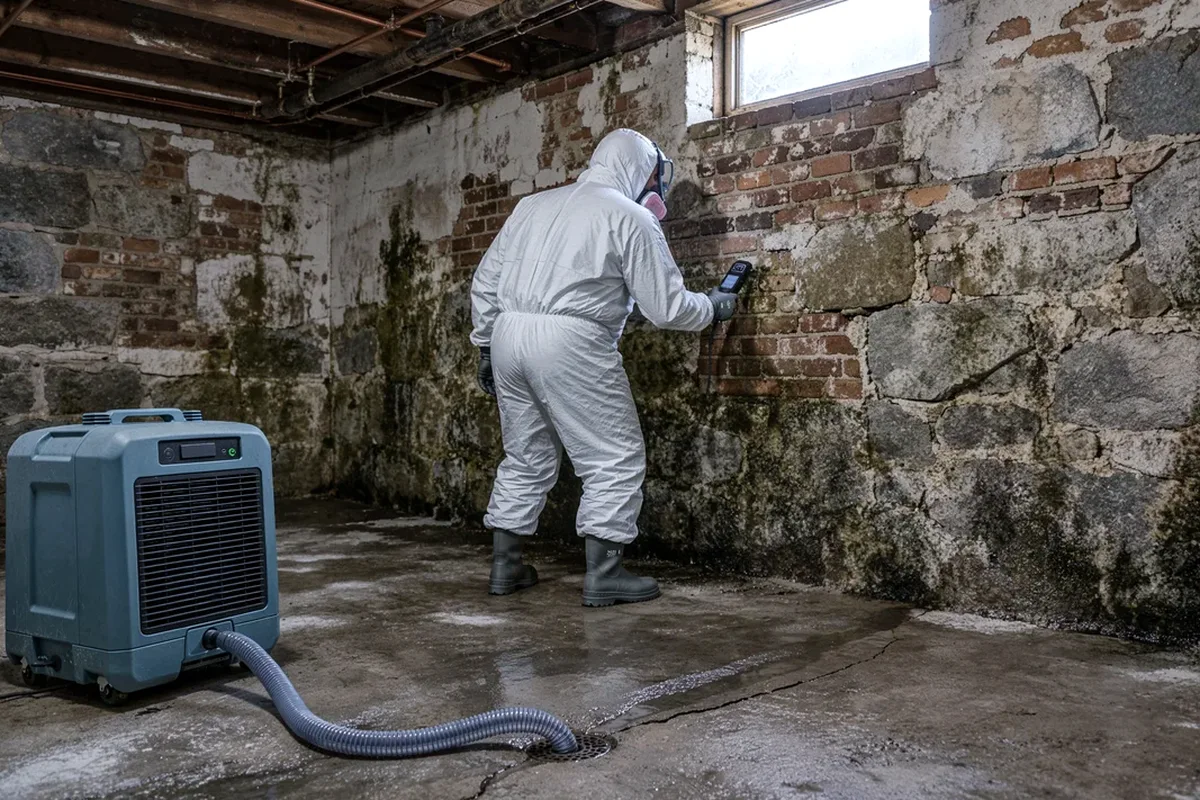
Why Finished Basements Fool People
Layers of carpet, cushion, framing and drywall trap water next to the foundation. Mold can creep behind them for weeks, so what you see on the surface understates what is happening underneath, and the damage may extend beyond the room that smells. Probing early limits the mess.
Older Brick and Stone Basements
Bungalows, greystones and two-flats from earlier decades frequently sit on brick or rubble foundations with tired mortar. Water finds the joints, leaving stained, cool, clammy walls. The weak points tend to be the mortar lines near the floor and around old pipe penetrations. Check low on the wall.
Who handles what in Park Ridge
Illinois asks mold remediation companies to register with the Illinois Department of Public Health under the Mold Remediation Registration Act. Ask for that registration before cleanup starts; IDPH does not license people who only do mold assessments or testing.
Keep the inspection report, the scope of work and any clearance results together; buyers, landlords and insurers often ask for them later.
If the job grows into replacing drywall, cabinets or framing, ask whether the rebuild needs a permit from the City of Park Ridge.
If river, creek or storm water got inside, FEMA's flood map service and your insurer can tell you how the address is zoned.
Nearby, the same kind of help is available in Des Plaines, Niles and Morton Grove.
Narrow Stairs, Slow Work
A walk-out lower level with a wide door is simpler to clear than a cellar reached by a steep, narrow staircase. Carrying debris and drying equipment through tight spaces takes hours, and low ceilings slow demolition. Those realities appear as labor on the bid. Ask what access they expect.
Humidity Control Afterward
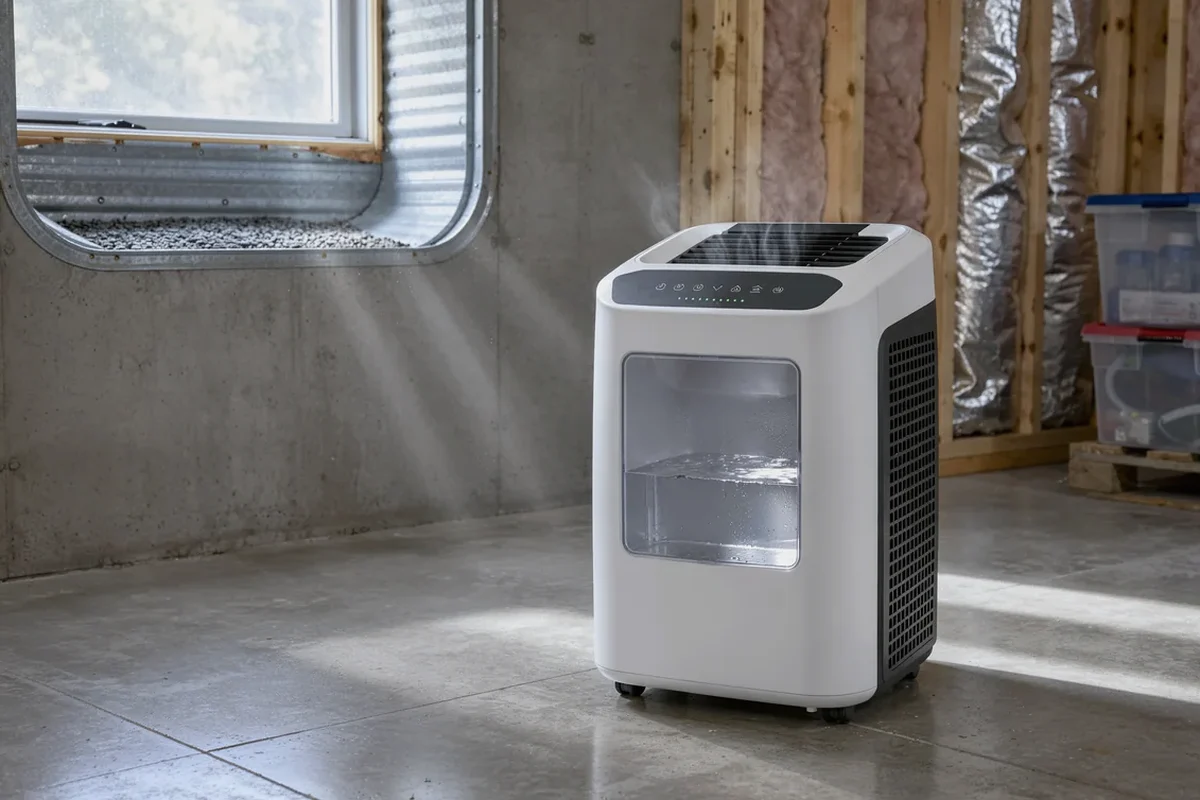
After the work, many households keep a dehumidifier running through the muggy months. EPA suggests holding indoor humidity under about 60 percent, with 30 to 50 as the ideal. A small hygrometer shows whether the lower level stays in range during storms and heating season. Keep it somewhere visible.
A Routine for Every Season
- Scoop leaves from window wells each autumn
- Pour a bucket into the pit to test the pump
- Extend downspouts away from the foundation
- Inspect washer hoses and the water heater
- Run a dehumidifier when it turns muggy
Ten minutes on each can prevent weeks of cleanup.
Basement Mold Removal questions in Park Ridge
Can I scrub basement mold off myself?
Is a sewage backup treated differently from a leak?
What if my rented lower-level unit has mold?
Does finishing a basement make mold worse?
More mold services in Park Ridge
Basement Mold Removal nearby
Helpful guides
Sources
Last updated: