Many homeowner policies handle sewer backup and rising-water flooding differently, and some exclude one or both without added coverage. Photograph everything before cleanup and ask your insurer early. Call the number on this page to be connected with a local mold company in Lincolnwood.
What different odors suggest
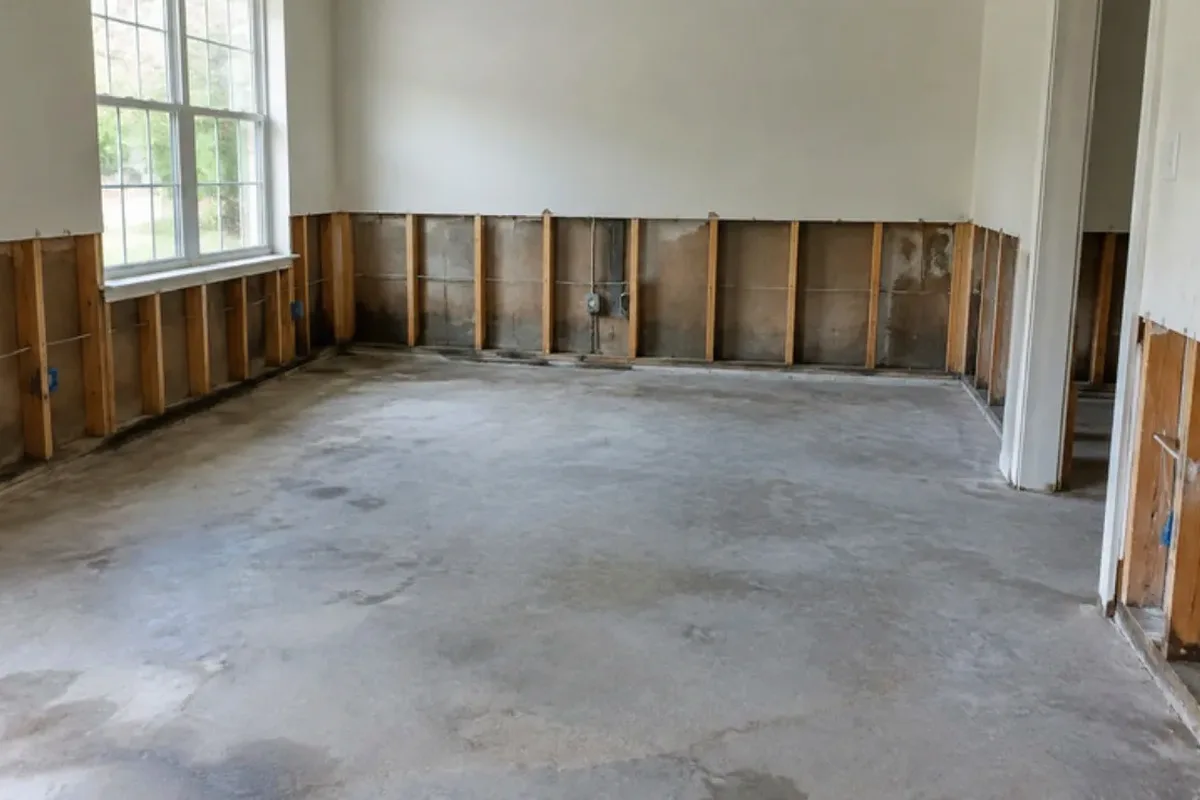
An earthy, damp-cellar smell points to growth on wet organic material. A sharp sour or sewage smell points to a drain or line that backed up. Either way, locate the source, dry the space and pull out soaked items instead of covering the odor with sprays.
Backups through the floor drain
When the municipal line surges or a private lateral clogs with roots, wastewater rises through basement drains. Companies handle this contaminated water more carefully than a clean leak and usually remove porous materials it touched, since those cannot be cleaned reliably. Ask which category your water fell into.
Local details for Lincolnwood
To register with the Illinois Department of Public Health, a mold remediation provider has to show third-party certification and financial responsibility. A business that only inspects or tests for mold doesn't need that registration.
Some owners hire one independent company for the inspection and clearance check and a different company for the cleanup, so the business judging the result isn't the one that did the work.
If the job grows into replacing drywall, cabinets or framing, ask whether the rebuild needs a permit from the Village of Lincolnwood.
If river, creek or storm water got inside, FEMA's flood map service and your insurer can tell you how the address is zoned.
Nearby, the same kind of help is available in Skokie, Morton Grove and Niles.
Depth and time raise the work
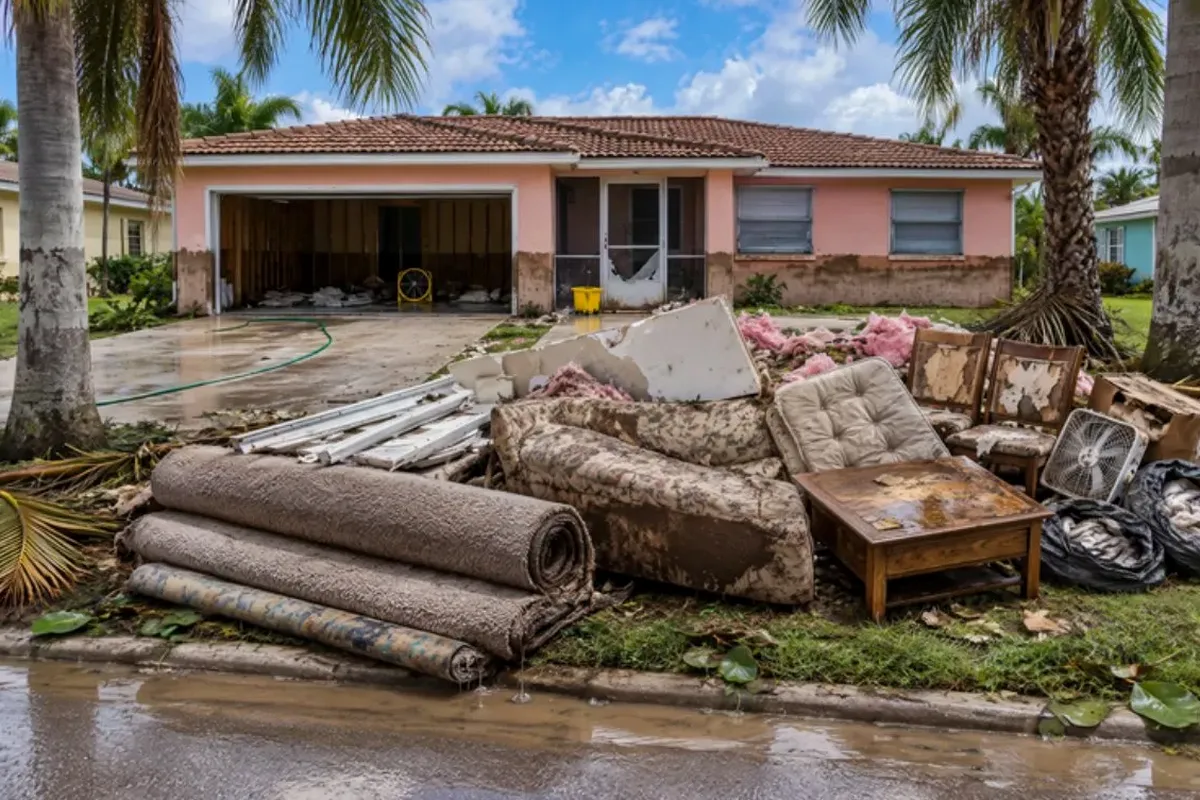
A couple of inches that drained within hours leave a shallow wet zone. A foot that sat overnight wets drywall far up the wall and soaks insulation. Longer exposure fails more materials, so every day of delay can add items to the list.
The usual order of work
- Make the space safe and stop incoming water
- Pump out standing water
- Remove materials that cannot be saved
- Dry framing and masonry
- Clean surfaces
- Recheck moisture readings
Skipping the last step is how damp spots get sealed into walls, so ask to see the final numbers.
The first two days count most
Remove the water, open the space to air and start fans and a dehumidifier. Pull out soaked carpet, pad and anything that cannot dry. Growth can begin on wet material within a day or two, so each hour of drying helps. Do not wait and hope that it dries by itself, because wet material left in place rarely does.
Storm & Flood Mold Removal questions in Lincolnwood
Can mold grow after a flood in Lincolnwood?
Who removes mold after a flood?
My sump pump quit during the storm. What now?
Will mold return after cleanup?
More mold services in Lincolnwood
Storm & Flood Mold Removal nearby
Helpful guides
Sources
Last updated: