Book the check ahead of any new drywall, trim or floor covering. Reopening a finished wall to chase one missed spot costs far more than waiting a few days for a report. Call the number on this page to be connected with a local mold company in Lake Bluff.
Picking the day
The check belongs after removal, HEPA vacuuming and drying, yet before anything is rebuilt. Booking it a day or two ahead keeps crews from idling. Leave plastic barriers up until the assessor says they can come down, and confirm the date in advance. Ask the assessor how much notice is needed.
Starting with a visual pass
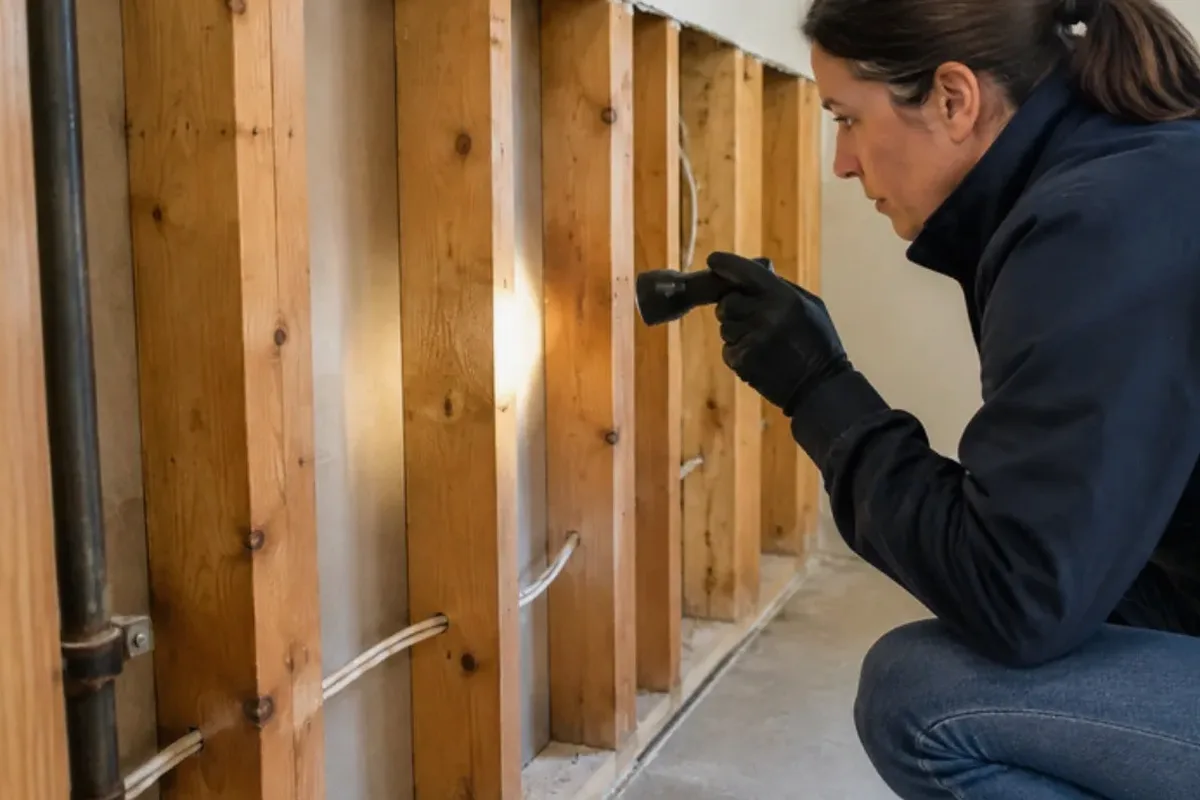
The assessor begins by looking. Surfaces in the work area should show no visible growth, dust or debris, and removed materials should be off the site. Leftover staining is noted, since it can point to moisture or a spot cleaning missed. Expect questions about anything that looks odd.
Close to the water, damp ground and heavy morning moisture can slow drying, and the assessor may confirm that lower walls and slab edges are dry before rebuilding begins.
Rural properties often include a workshop, a block cellar or a stand-alone structure beside the house; list every cleaned area so the assessor checks each one.
If a second visit is needed
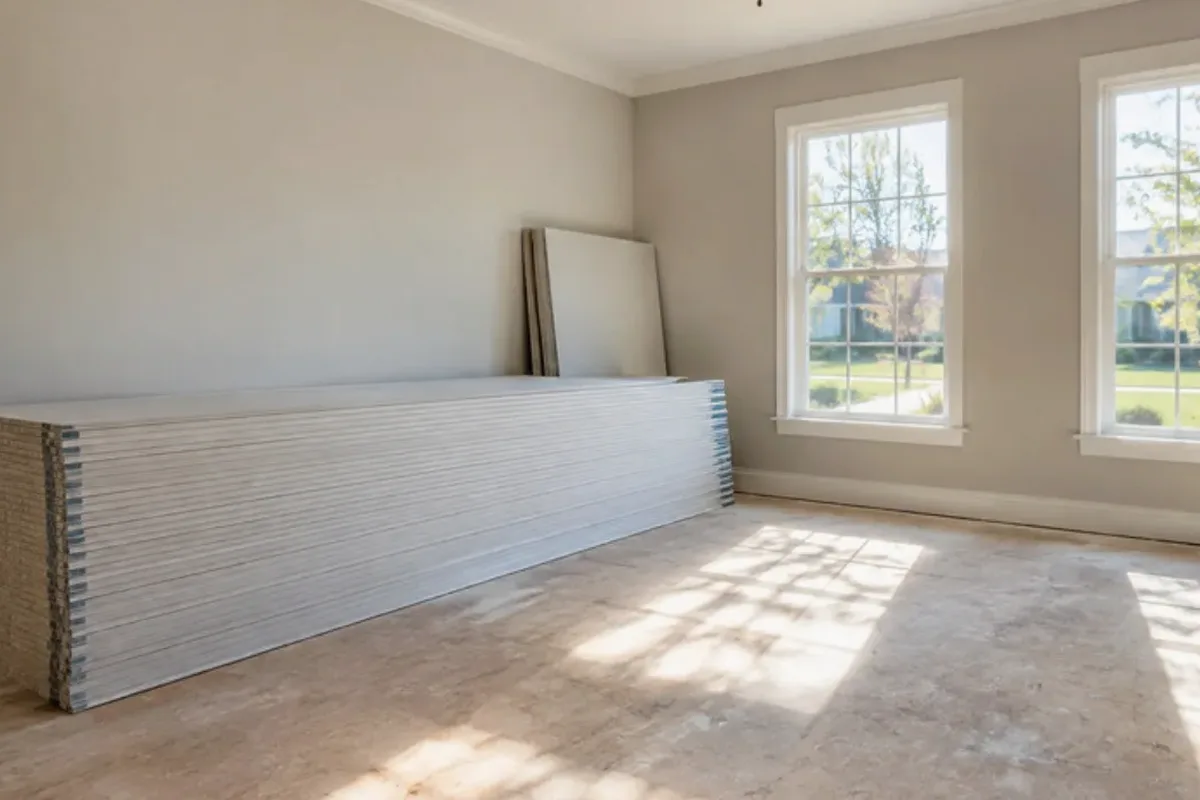
A failed first look usually means the remediator redoes the flagged areas, sometimes at its own cost under the contract, and the assessor comes back. Ask in advance how a repeat visit is billed. Written terms beat verbal assurances when a second pass is needed.
Local details for Lake Bluff
To register with the Illinois Department of Public Health, a mold remediation provider has to show third-party certification and financial responsibility. A business that only inspects or tests for mold doesn't need that registration.
Some owners hire one independent company for the inspection and clearance check and a different company for the cleanup, so the business judging the result isn't the one that did the work.
If the job grows into replacing drywall, cabinets or framing, ask whether the rebuild needs a permit from the Village of Lake Bluff.
If river, creek or storm water got inside, FEMA's flood map service and your insurer can tell you how the address is zoned.
Nearby, the same kind of help is available in Buffalo Grove, Lake Forest and Highwood.
How the visit unfolds
The assessor reviews the plan, walks the work area, photographs conditions, takes moisture readings and collects samples. A typical work area takes a couple of hours. The remediator may be asked questions, though the pass or fail decision belongs to the assessor alone. Ask when the written report will reach you.
Cleaners and bleach
EPA does not generally recommend bleach or similar biocides for routine cleanup, and wiping surfaces with them before the assessor arrives can muddy the review. Leave cleaned areas alone until the visit is finished, then follow the assessor's advice. Ask what to avoid before the visit.
Post-Remediation Clearance Testing questions in Lake Bluff
Who should perform clearance?
Does a passing result guarantee a healthy home?
When is clearance scheduled?
Can the assessor who wrote the plan do the final check?
More mold services in Lake Bluff
Post-Remediation Clearance Testing nearby
Helpful guides
Sources
Last updated: