Find out how the water got in, whether a window well, a floor drain, a cracked wall or a pump, and correct it. Otherwise drying and cleaning only buy time until the next hard rain. Call the number on this page to be connected with a local mold company in Hometown.
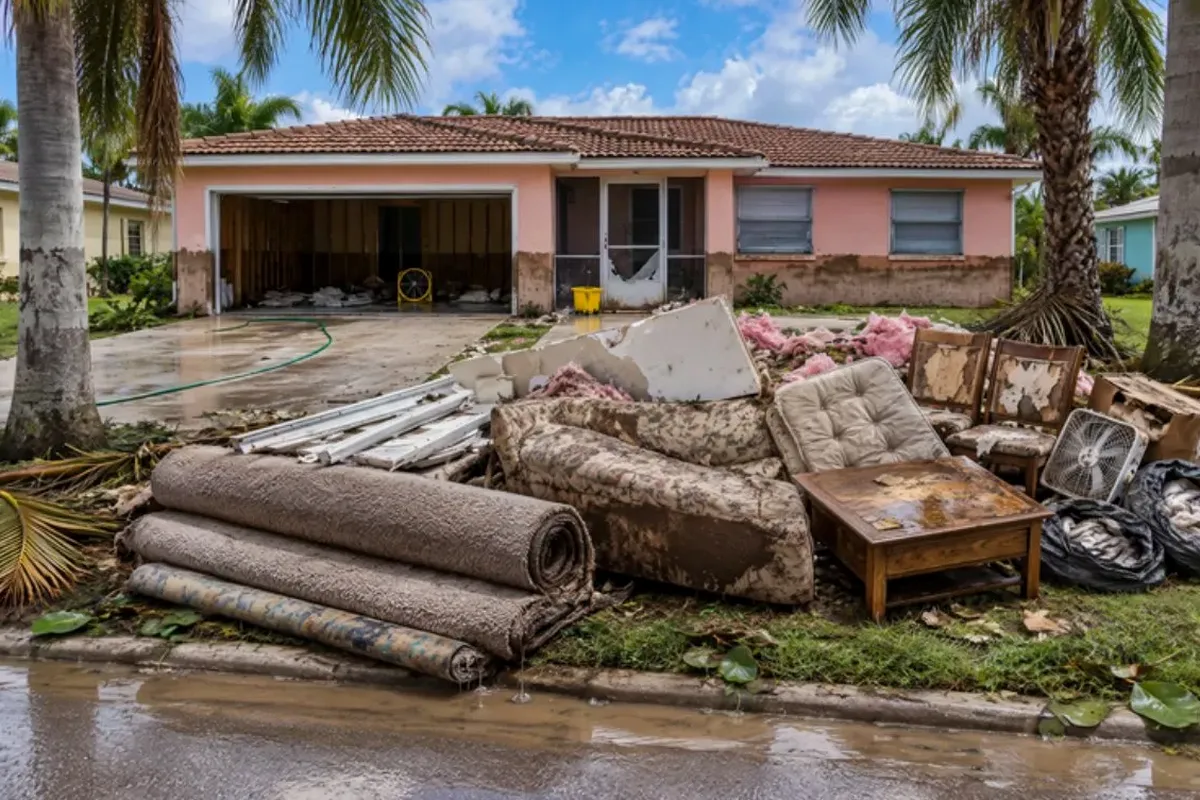
Where to look in the first days
- Baseboards and the lowest strip of drywall
- Carpet pad and its underside
- Insulation inside lower wall cavities
- Cardboard boxes and furniture feet
- Corners behind the water heater and washer
Anything damp after two days deserves a closer look with a flashlight.
Rivers and creeks that spill over
After days of rain, waterways such as the Des Plaines, DuPage and Fox rivers and Salt Creek can leave their banks and flood low streets and basements. Ground stays saturated long after the crest passes, which slows drying. Low parts of Cook County take water first.
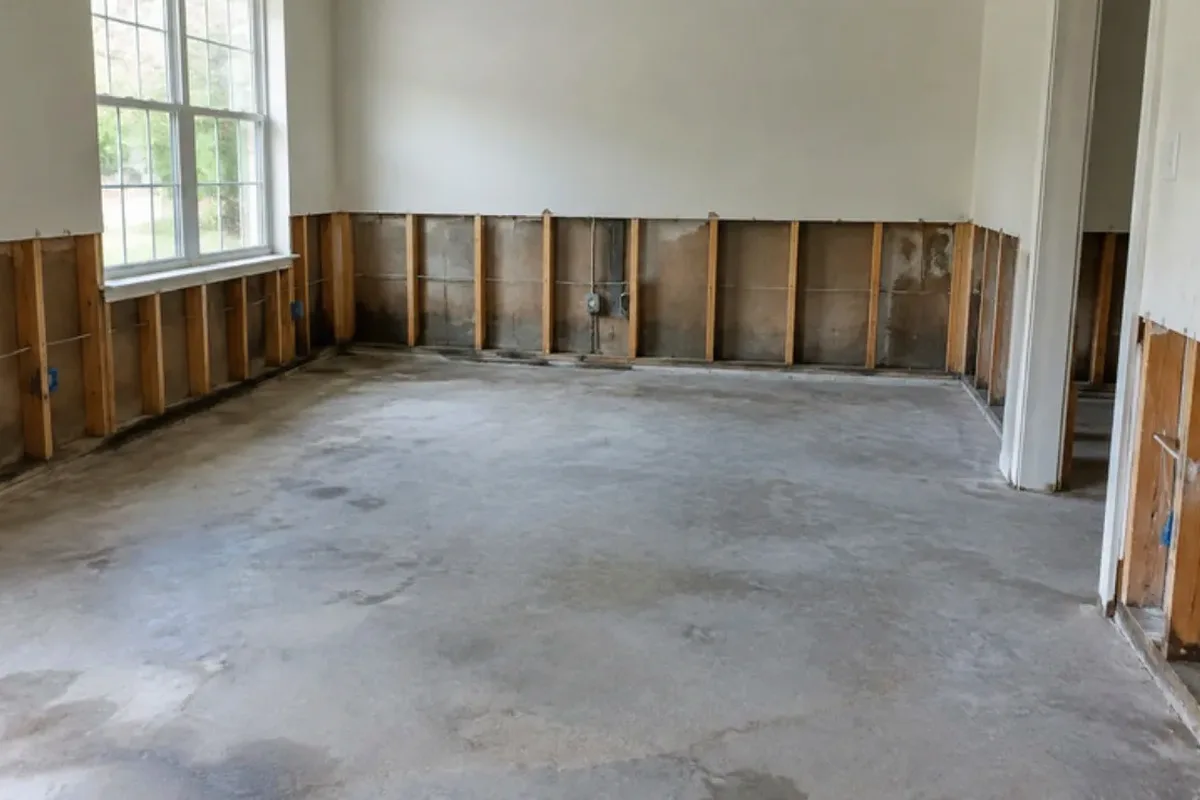
Depth and time raise the work
A couple of inches that drained within hours leave a shallow wet zone. A foot that sat overnight wets drywall far up the wall and soaks insulation. Longer exposure fails more materials, so every day of delay can add items to the list.
Keeping dust out of the upstairs
Opening wet walls can stir up dust and spores, so companies often hang plastic sheeting, seal the work zone and exhaust air outside. Ask how they will protect living areas, whether furnace returns will be covered, how the sheeting comes down and when the equipment will be switched off.
Exercise your sump pump
Each season, pour a bucket of water into the pit and watch the float rise and the pump cycle. Clear the discharge line, confirm it empties well away from the foundation and consider a battery backup for outages. Do this before storm season, not during it, and write the date on the pump so you remember the next test.
Useful local contacts for Hometown
IDPH advises that mold growth larger than about 10 square feet be cleaned up by a professional remediator. Remediation providers in Illinois register with IDPH, so that registration is the first thing to confirm.
Ask whether the company that removes the mold will also test its own work. Many owners prefer an independent assessor for clearance.
Rebuild work after the mold comes out, such as new drywall or framing, may need a permit; the City of Hometown is where to ask for Hometown addresses.
Water that came in from outside raises insurance questions; FEMA's flood map search shows whether the property sits in a mapped flood zone.
Calls from Hometown are often matched with companies that also cover Oak Lawn, Evergreen Park and Burbank.
Storm & Flood Mold Removal questions in Hometown
Can mold grow after a flood in Hometown?
Is sewer backup water handled differently?
How long does a flooded basement take to dry?
Is bleach good for flood mold?
More mold services in Hometown
Storm & Flood Mold Removal nearby
Helpful guides
Sources
Last updated: