Mold can start on soaked drywall, carpet, insulation and wood within a day or two of flooding. EPA advises drying wet materials within 24 to 48 hours, and porous items that stay moldy generally have to come out. Call the number on this page to be connected with a local mold company in Hoffman Estates.
Why damage can appear later
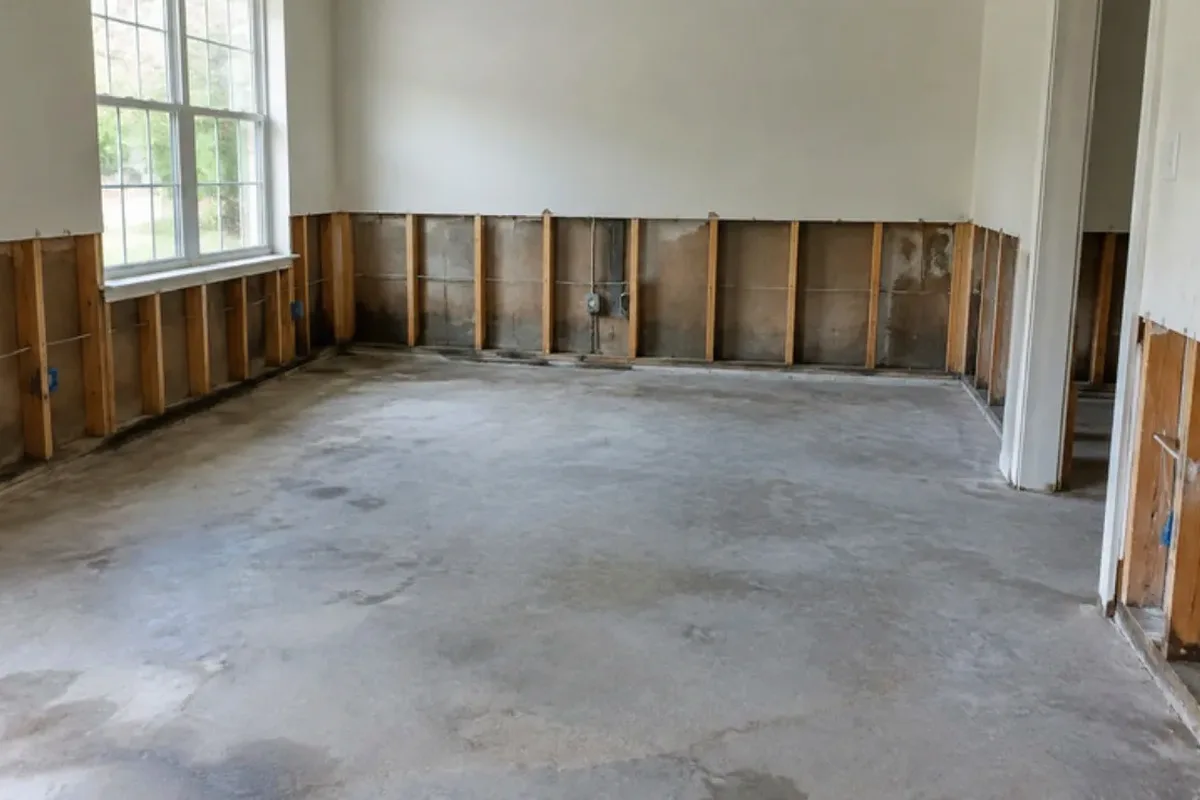
Growth trails the water by several days. Drywall that looked acceptable on the first morning may spot over by the end of the week, and wall cavities can stay soggy long after the floor feels dry. Recheck after a week and keep air moving until readings fall.
Backups through the floor drain
When the municipal line surges or a private lateral clogs with roots, wastewater rises through basement drains. Companies handle this contaminated water more carefully than a clean leak and usually remove porous materials it touched, since those cannot be cleaned reliably. Ask which category your water fell into.
Homes put up in the 1970s frequently have basements that were never waterproofed. After a big rain, damp walls and slab seepage are common, so check for stains and odors.
Items that move the price
- Water type and depth
- Hours or days it sat
- Finished or bare lower level
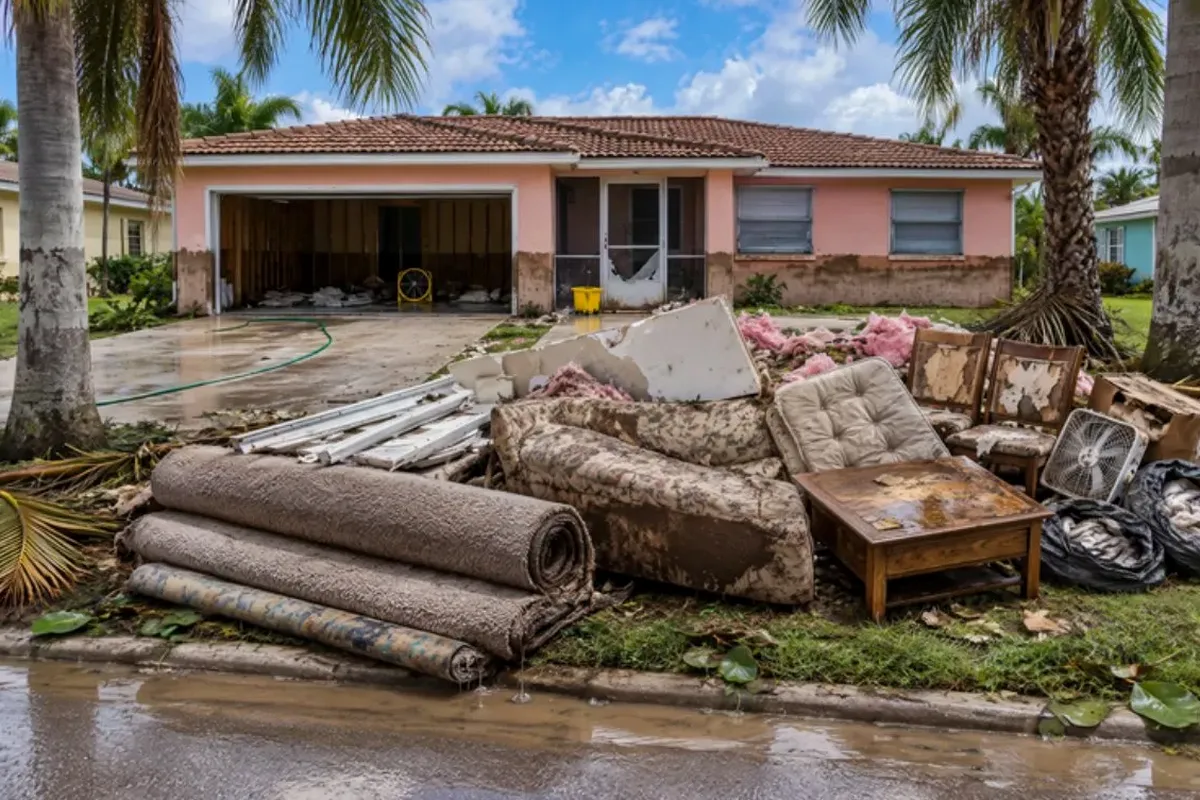
- Amount of drywall, carpet and insulation to remove
- Equipment days and disposal
A written scope shows which apply to your house and how each is priced, so you can see what drives the total.
Who handles what in Hoffman Estates
Before signing, ask the remediation company for its IDPH mold remediation registration and a written scope that covers containment, removal and the final check. The Illinois Attorney General takes consumer complaints about home repair contractors.
Some owners hire one independent company for the inspection and clearance check and a different company for the cleanup, so the business judging the result isn't the one that did the work.
If the job grows into replacing drywall, cabinets or framing, ask whether the rebuild needs a permit from the Village of Hoffman Estates.
For flood zone questions after a heavy rain, FEMA's flood maps and your insurance agent can confirm the mapped zone for an address.
Companies that take calls here usually also work in Streamwood, Schaumburg and Hanover Park.
Equipment you may see
Expect pumps, wet vacuums, large air movers and dehumidifiers, and sometimes air scrubbers venting filtered air outdoors. Machines run for several days, and readings are taken again to show the structure is drying before anyone rebuilds. Ask what will be photographed and logged each day.
Exercise your sump pump
Each season, pour a bucket of water into the pit and watch the float rise and the pump cycle. Clear the discharge line, confirm it empties well away from the foundation and consider a battery backup for outages. Do this before storm season, not during it, and write the date on the pump so you remember the next test.
More about Hoffman Estates
Calls come in from across Hoffman Estates, including around Parcel A (original subdivision), Winston Knolls, Westbury.
Hoffman Estates grew quickly from farmland after the 1950s, so most homes are mid-century to late-century construction rather than pre-war.
Storm & Flood Mold Removal questions in Hoffman Estates
Can mold grow after a flood in Hoffman Estates?
Does homeowners insurance cover flood mold?
Is sewer backup water handled differently?
How much does flood mold cleanup cost?
More mold services in Hoffman Estates
Storm & Flood Mold Removal nearby
Helpful guides
Sources
- Village of Hoffman Estates Development Services Department
- Illinois Department of Public Health: mold remediation registration
- Illinois Department of Public Health: mold FAQs
- Illinois General Assembly: Home Repair and Remodeling Act
- EPA: A Brief Guide to Mold, Moisture and Your Home
- Hoffman Estates housing by year built
- Hoffman Estates: local background
Last updated: