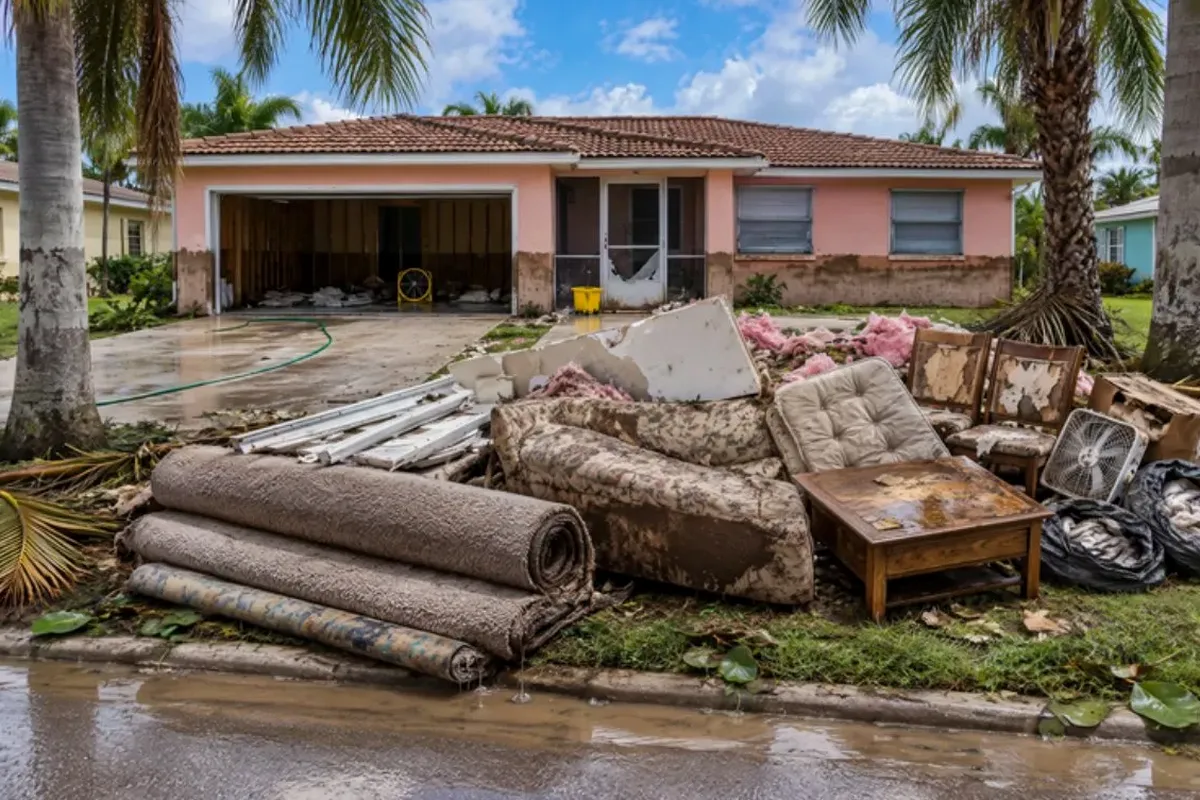
Carpet and pad that sat in flood water past a day or two usually get hauled out instead of saved. Concrete, masonry and framing can often be dried and cleaned in place. Call the number on this page to be connected with a local mold company in Highland Park.
Where to look in the first days
- Baseboards and the lowest strip of drywall
- Carpet pad and its underside
- Insulation inside lower wall cavities
- Cardboard boxes and furniture feet
- Corners behind the water heater and washer
Anything damp after two days deserves a closer look with a flashlight.
Combined sewers and the summer downpour
Older Chicago-area neighborhoods share one pipe for sewage and storm water. A big thunderstorm can fill it faster than it drains, pushing a mix of both up through floor drains and low fixtures. The water recedes within hours, but the mess soaks in.
Homes near the Des Plaines, DuPage or Fox River, Salt Creek or the lakefront face higher water tables and real overbank flood risk. Ground stays saturated for days after the water drops, slowing drying.
What sets the scope after flooding
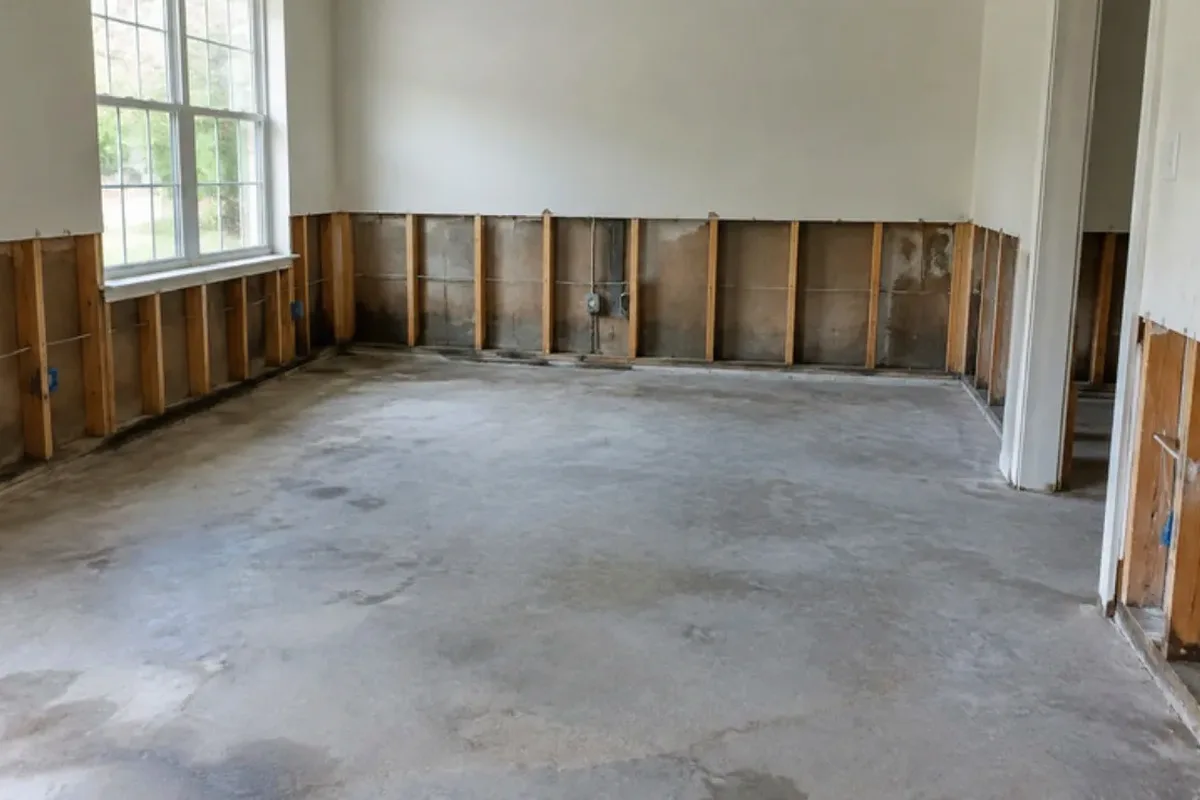
The kind of water, its depth, how long it stood and what it touched drive the job. Clean rainwater in a bare basement is a modest drying task. Sewage in a finished basement calls for removal, cleaning and a much larger scope. Ask which water category applies.
Questions worth asking
- What category of water was it?
- Which materials are coming out?
- How will drying be verified?
- Will you coordinate with my adjuster?
A solid company answers clearly, puts the plan in writing and explains each step in plain terms, including what happens if more damage turns up.
Useful local contacts for Highland Park
IDPH advises that mold growth larger than about 10 square feet be cleaned up by a professional remediator. Remediation providers in Illinois register with IDPH, so that registration is the first thing to confirm.
Ask whether the company that removes the mold will also test its own work. Many owners prefer an independent assessor for clearance.
Rebuild work after the mold comes out, such as new drywall or framing, may need a permit; the City of Highland Park is where to ask for Highland Park addresses.
Water that came in from outside raises insurance questions; FEMA's flood map search shows whether the property sits in a mapped flood zone.
Calls from Highland Park are often matched with companies that also cover Glenview, Highwood and Deerfield.
The first two days count most
Remove the water, open the space to air and start fans and a dehumidifier. Pull out soaked carpet, pad and anything that cannot dry. Growth can begin on wet material within a day or two, so each hour of drying helps. Do not wait and hope that it dries by itself, because wet material left in place rarely does.
Storm & Flood Mold Removal questions in Highland Park
Does homeowners insurance cover flood mold?
My sump pump quit during the storm. What now?
How long does a flooded basement take to dry?
How soon should I call after the water is gone?
More mold services in Highland Park
Storm & Flood Mold Removal nearby
Helpful guides
Sources
Last updated: