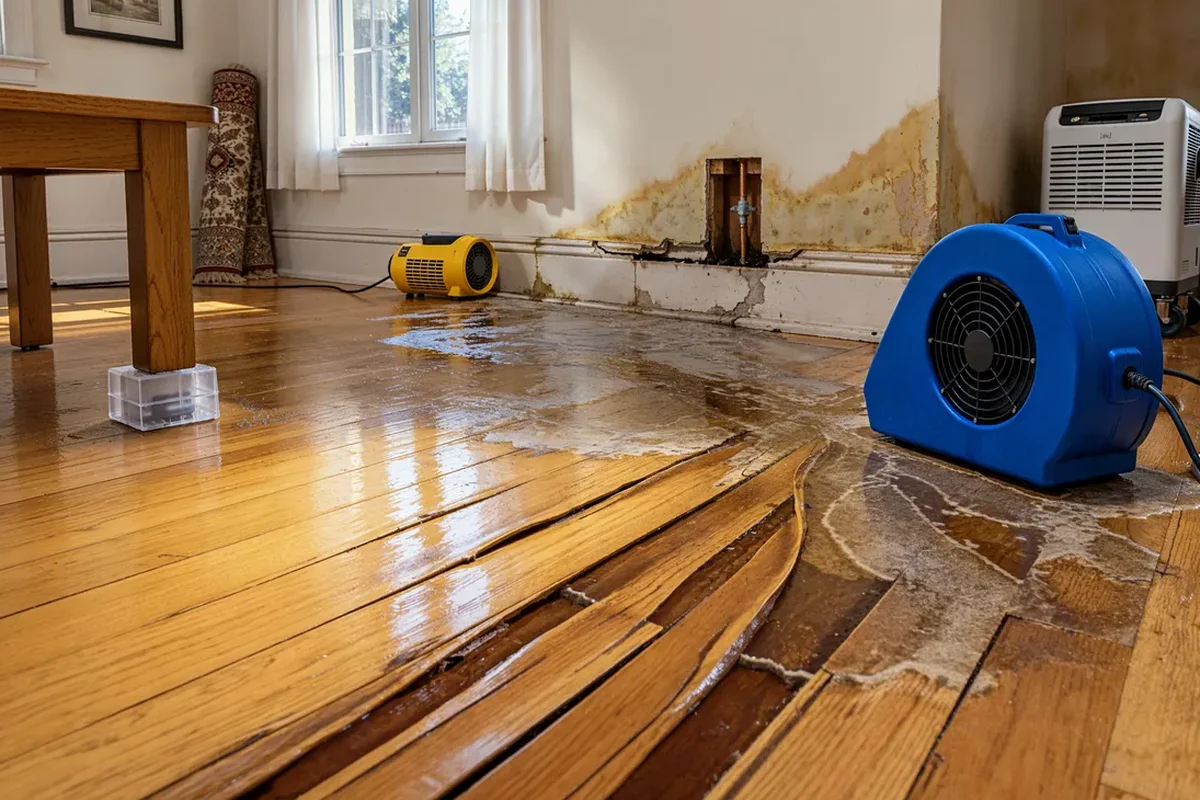
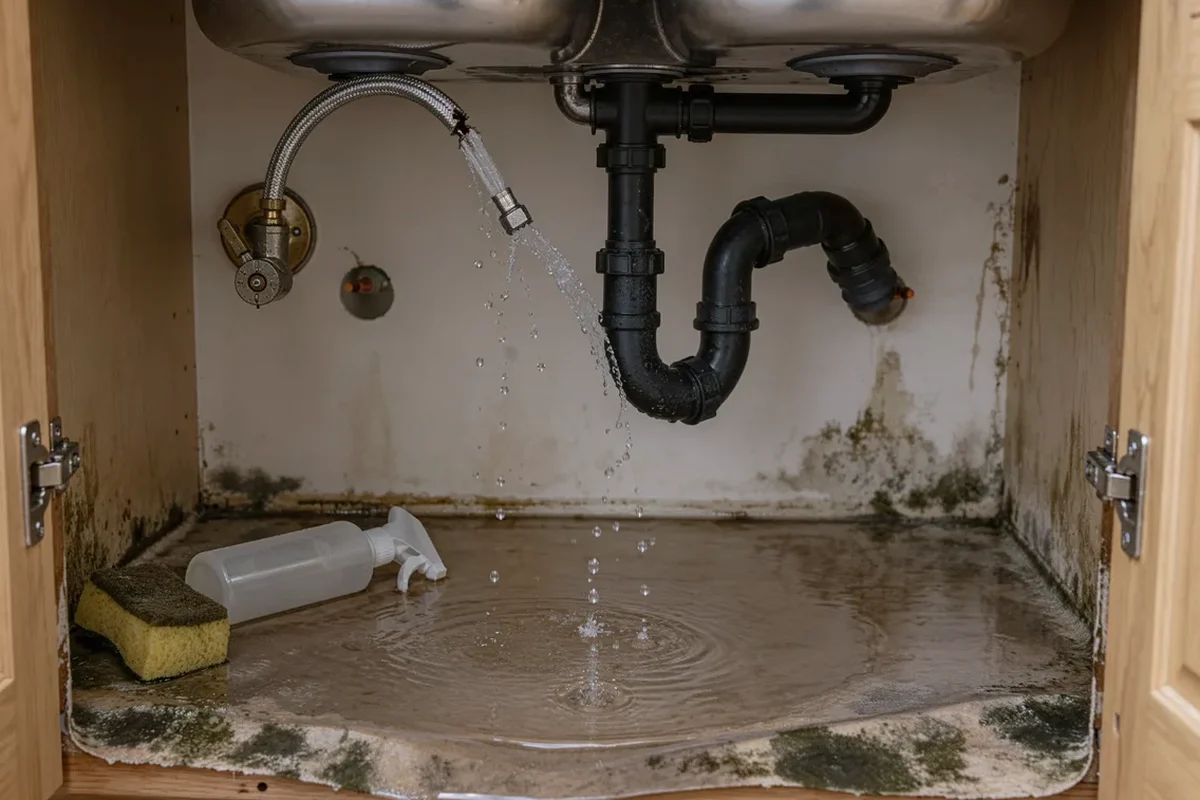
Stop the leak first; otherwise any cleanup gets re-wetted and the mold returns. Once the source is fixed, the structure gets dried and soaked material is cut away. Call the number on this page to be connected with a local mold company in Glenview.
When Waiting Stops Making Sense
Reach out if materials stayed soaked for more than a couple of days, if a stain outgrows a dinner plate, or if the odor comes back after you wipe things down. A fingertip-sized spot differs from drenched insulation or flooring, which normally has to be replaced.
Ice Dams and Spring Melt
Heavy snow and repeated freezing push meltwater beneath shingles and into attic insulation and upper ceilings. A leak that starts in January may only produce stains and odors by spring, after framing has stayed wet for months. Inspect eaves following every thaw. Clear gutters early too.
Plumbing installed in the 1970s has usually been patched many times by now. Seeps behind plaster are typical in houses that old, and a stale-smelling room is worth investigating.
Near a river, creek or the lake, the air carries more moisture, which means wet drywall and carpet in Glenview dry slowly. Treat any leak near the water as urgent.
Permits and license checks in Glenview
Illinois' Home Repair and Remodeling Act calls for a written contract or work order on jobs over $1,000, listing the contractor's business name and address and the total cost, with parts and materials described.
Some owners hire one independent company for the inspection and clearance check and a different company for the cleanup, so the business judging the result isn't the one that did the work.
Check with the Village of Glenview before walls, cabinets or flooring go back in if the work goes beyond cleanup.
Water that came in from outside raises insurance questions; FEMA's flood map search shows whether the property sits in a mapped flood zone.
Calls from Glenview are often matched with companies that also cover Golf, Morton Grove and Northbrook.
What Moves the Scope Up or Down
Elapsed time is the biggest factor. A leak found within a day might need only drying, whereas weeks of dampness can mean opened walls, new insulation and replacement flooring. Each extra day soaked pushes more materials from the dry-it list onto the tear-it-out list.
Useful Things to Ask
- How was the moisture located?
- Why is each material coming out?
- How will other rooms be shielded?
- What proves the work is finished?
Straight answers are encouraging, and answers in writing are better still. Request them before work starts. Keep the replies with your other records.
Hold Humidity Steady
EPA suggests keeping indoor humidity under about 60 percent, with 30 to 50 as the ideal. An inexpensive hygrometer shows where your house stands. After a leak, several days of dehumidifier running help show whether the space is genuinely drying. Check it monthly through the first winter and summer.
More about Glenview
Calls come in from across Glenview, including around Downtown Glenview, The Glen Town Center, The Grove National Historic Landmark.
Leak & Burst Pipe Mold Removal questions in Glenview
Is air testing needed after a leak?
Does a leaking water heater call for mold work?
What happens to wet insulation?
Does an older home make leak mold worse?
More mold services in Glenview
Leak & Burst Pipe Mold Removal nearby
Helpful guides
Sources
- Village of Glenview Development Center (Inspectional Services Division)
- Illinois Department of Public Health: mold remediation registration
- Illinois Department of Public Health: mold FAQs
- Illinois General Assembly: Home Repair and Remodeling Act
- EPA: A Brief Guide to Mold, Moisture and Your Home
- Glenview housing by year built
Last updated: