Water that came up a floor drain or over a riverbank carries dirt and contaminants, so companies treat it with more caution than a clean pipe leak. If you have health concerns, talk with your doctor. Call the number on this page to be connected with a local mold company in Des Plaines.
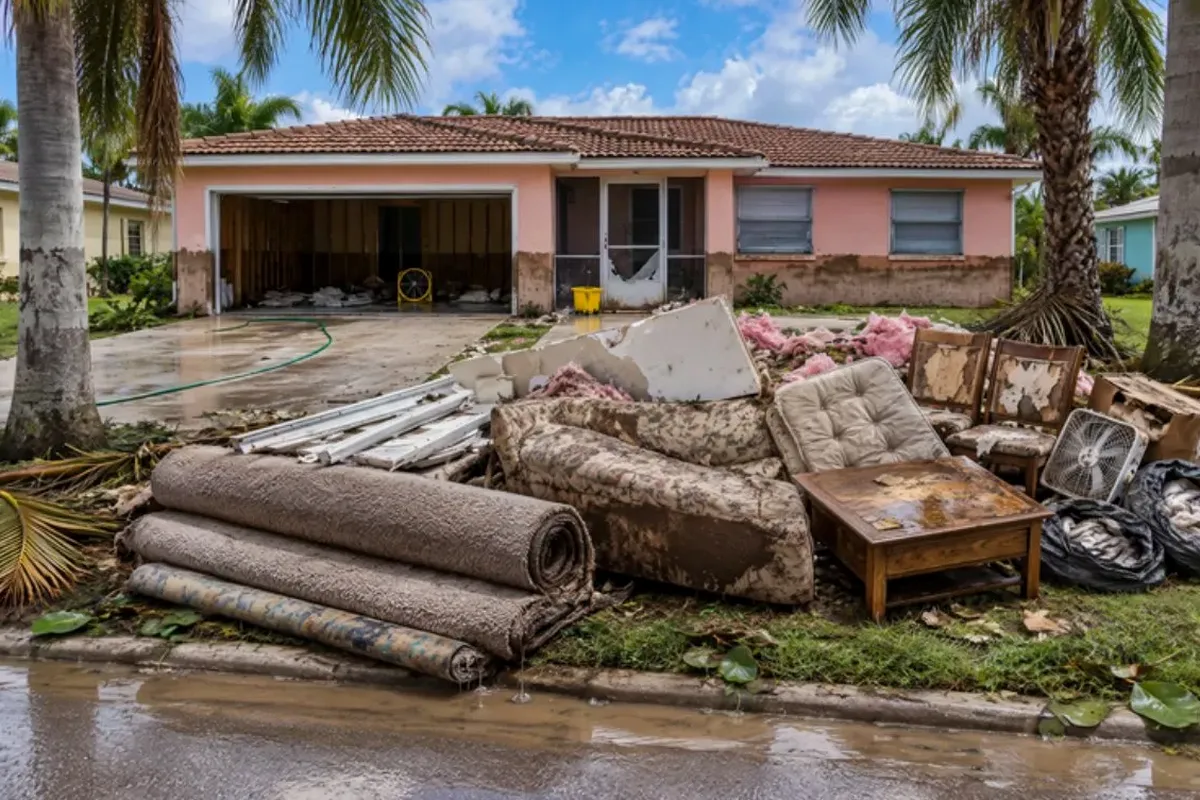
Where DIY ends
EPA indicates a homeowner can usually take on an area under about 10 square feet. When the water reached wall cavities, covered most of a room or rose through a sewer line, the scope is larger and the soaked materials generally need removal by a professional.
Grading, gutters and window wells
Soil that slopes toward the house, downspouts dumping at the foundation and uncovered window wells without drains all steer water into the basement. Correcting them changes where storm water goes, and often decides whether the dampness returns. Even small grading changes help, and they often cost far less than the damage they prevent.
Low lots near a waterway often see seepage even without a major flood. After heavy rain, check the lowest floor for dampness, odor and white mineral staining.
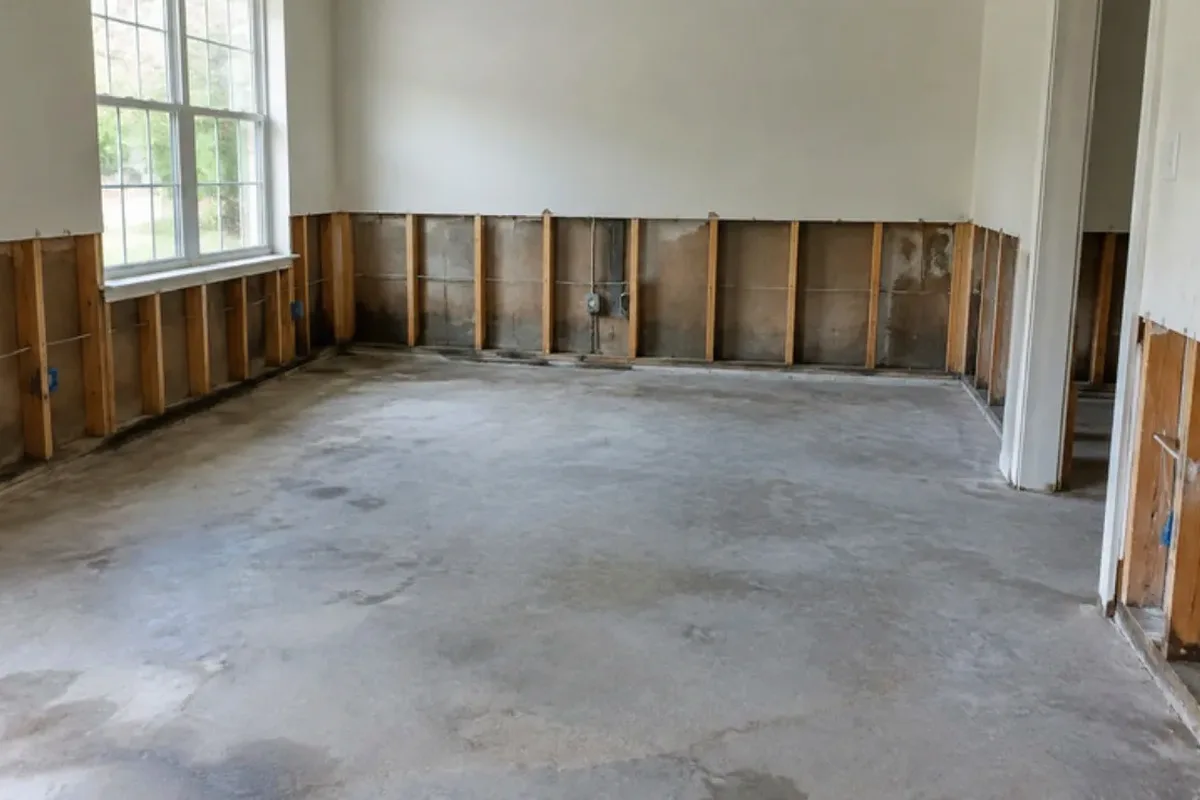
Quick action trims the bill
EPA advises drying wet materials within 24 to 48 hours. Meeting that window often means extraction, air movers and dehumidifiers rather than tear-out. Waiting lets mold set in, and then removal and cleaning replace simple drying. Prompt effort is the most useful tool you have, and it costs nothing but attention.
What a written scope lists
It should name each room, the materials to be removed, the drying equipment and the expected length of the stay. It should say who handles the rebuild and whether an independent assessor will check the space before walls close. Obtain those details before work starts, and keep a signed copy where you can find it.
Who handles what in Des Plaines
Illinois asks mold remediation companies to register with the Illinois Department of Public Health under the Mold Remediation Registration Act. Ask for that registration before cleanup starts; IDPH does not license people who only do mold assessments or testing.
Some owners hire one independent company for the inspection and clearance check and a different company for the cleanup, so the business judging the result isn't the one that did the work.
Check with the City of Des Plaines before walls, cabinets or flooring go back in if the work goes beyond cleanup.
For flood zone questions after a heavy rain, FEMA's flood maps and your insurance agent can confirm the mapped zone for an address.
Nearby, the same kind of help is available in Mount Prospect, Park Ridge and Prospect Heights.
Exercise your sump pump
Each season, pour a bucket of water into the pit and watch the float rise and the pump cycle. Clear the discharge line, confirm it empties well away from the foundation and consider a battery backup for outages. Do this before storm season, not during it, and write the date on the pump so you remember the next test.
Storm & Flood Mold Removal questions in Des Plaines
Does homeowners insurance cover flood mold?
Is sewer backup water handled differently?
Can I clean flood mold myself?
Does living near a river or creek raise my risk?
More mold services in Des Plaines
Storm & Flood Mold Removal nearby
Helpful guides
Sources
Last updated: